I Sprayed the Weeds, but They're Still Growing. Did the Post-Emergent Treatment Work?
You sprayed the weeds in your lawn, waited a few days, and they're still green. Does that mean the weed killer didn't work?
Not necessarily. Post-emergent weed control doesn't always produce immediate visible results. Depending on the herbicide, weed species, weather, and growing conditions, it may take several days to notice changes and longer for the treatment to fully control the weeds.
At AmeriLawn, we understand how frustrating persistent weeds can be, especially when you've already invested time or money in treating them. Before applying more of the product, it's worth understanding what may be happening and whether another treatment is actually needed.
How Long Does Post-Emergent Weed Control Take to Work?
Many post-emergent lawn treatments begin showing visible effects within several days to two weeks, but the timeline depends on the product and weeds being treated. Some weeds respond relatively quickly, while others decline gradually.
Post-emergent herbicides work on weeds that have already emerged. However, not all products work the same way.
Some contact herbicides primarily damage the plant tissue they touch. Systemic herbicides are absorbed and move within the plant, potentially reaching growing points and roots. That process can take longer, particularly with established perennial weeds.
Visible symptoms may include curling leaves, yellowing, slowed growth, or browning. The absence of those symptoms immediately after spraying doesn't automatically mean the application failed.
The product label is the best starting point for understanding expected results and appropriate follow-up timing.
Six Reasons Your Weeds May Still Be Growing
1. The Treatment Hasn't Had Enough Time
One of the most common mistakes is judging weed control too soon.
A systemic herbicide may be affecting the plant before obvious symptoms appear. Spraying again immediately can create unnecessary exposure and increase the risk of turf damage.
Check when the application occurred and allow the labeled response period before deciding what comes next.
2. The Product Doesn't Control That Particular Weed
Not every post-emergent herbicide controls every weed.
Dandelions and clover are broadleaf weeds, while crabgrass is a grassy weed. Nutsedge is a sedge. These plants can require different herbicide formulations.
A product designed primarily for broadleaf weeds may have little effect on crabgrass or nutsedge.
That's why identifying the weed matters more than simply choosing a product labeled "weed killer."
3. Weather Affected the Application
Rainfall, temperature, and moisture stress can influence post-emergent weed control.
Some products need a specific rain-free period after application to allow sufficient absorption. Others have restrictions related to high temperatures or drought-stressed turf.
Weeds that aren't actively growing may also respond differently than healthy, actively growing weeds.
If rain arrived shortly after spraying, check the product's rainfast instructions before assuming the treatment needs to be repeated.
4. The Weeds Were Too Mature or Established
Young, actively growing weeds are often easier to control than large, mature plants.
Established perennial weeds may have extensive root systems or underground structures that make complete control more difficult.
The treatment might injure the visible foliage without fully controlling the plant, depending on the herbicide and conditions.
This is one reason timing and weed identification are so important.
5. Application Coverage or Product Use Wasn't Appropriate
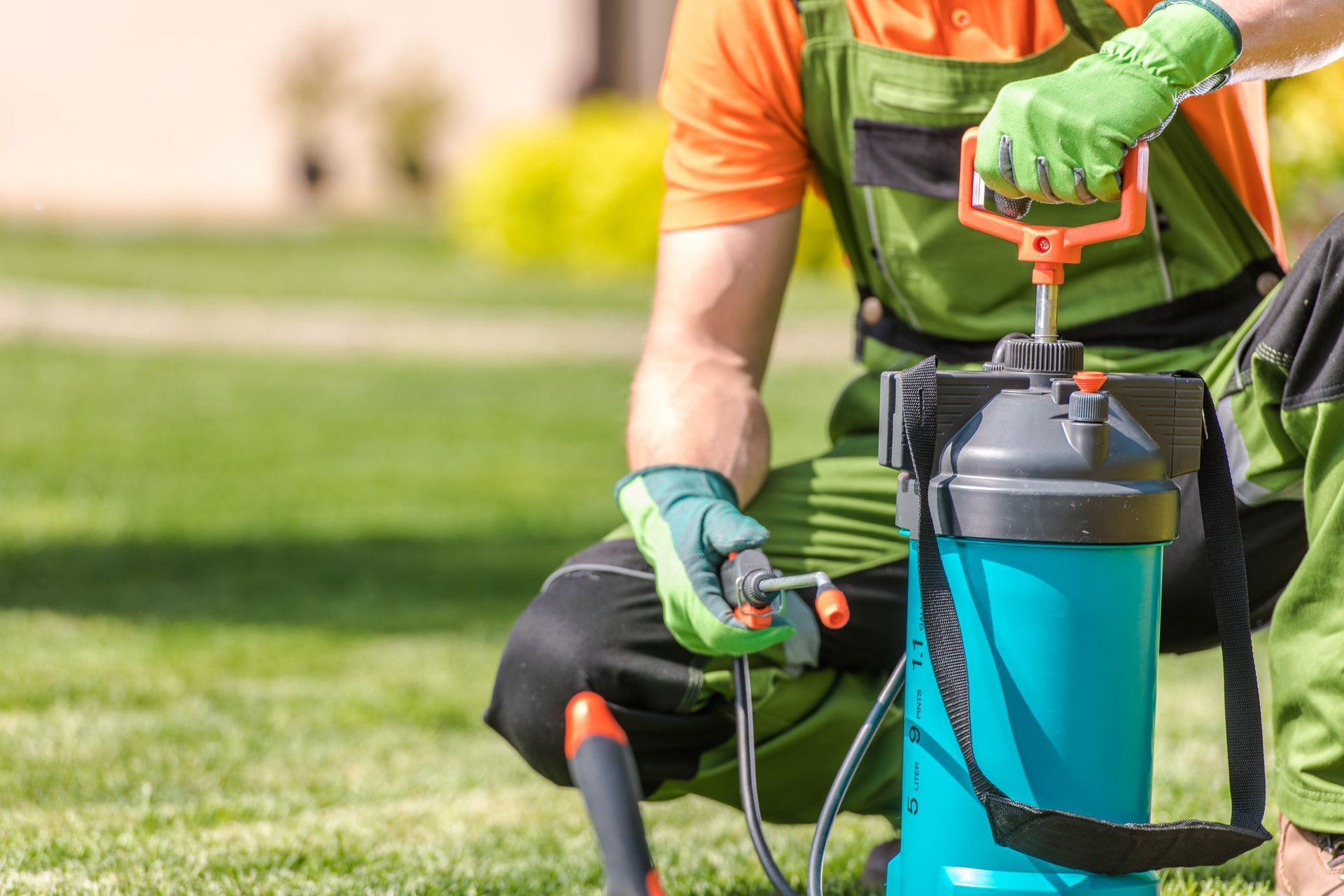
Herbicides must be applied according to their labels, including approved application rates, methods, and turfgrass restrictions.
Uneven coverage, incorrect mixing, or using a product on an unsuitable weed can reduce effectiveness.
Applying more than the recommended amount is not a reliable solution. It can harm desirable grass and create unnecessary environmental risks.
At AmeriLawn, our application technicians are licensed through the Missouri Department of Agriculture. We focus on selecting appropriate treatments and setting realistic expectations rather than assuming every weed problem needs the same approach.
6. You're Seeing New Weeds, Not Surviving Weeds
A successful post-emergent treatment doesn't necessarily prevent new weeds from germinating.
If weeds disappear and different plants emerge weeks later, that may be new growth rather than evidence that the original treatment failed.
This distinction matters because preventing future weed emergence may require a different strategy than controlling weeds already growing in the lawn.
How to Tell Whether Your Weed Treatment Is Working
Instead of looking only for dead weeds, pay attention to how the plants change after treatment.
| What you're noticing | What it might mean |
|---|---|
| Weeds remain green shortly after spraying | The treatment may need more time |
| Leaves are curling, yellowing, or becoming distorted | Possible herbicide activity |
| Some weed species decline while others remain healthy | The product may not control every species present |
| Weeds initially decline but begin growing again | Incomplete control or regrowth may have occurred |
| New weeds appear after the original plants disappear | New germination may be responsible |
These are clues, not definitive proof of treatment success or failure. Different herbicides produce different symptoms, and environmental conditions can cause similar changes.
If you're unsure, take clear photos of the weeds and record when the application occurred. Knowing the product used and recent weather conditions can also help determine the next step.
Does Post-Emergent Weed Control Work in October in Missouri?
Yes. October can be a good time to control certain actively growing weeds in Southwest Missouri, particularly established perennial broadleaf weeds such as dandelions and plantain.
In the Springfield area, October often brings cooler days, chilly nights, and occasional stretches of warmer weather. Those changing conditions matter because post-emergent herbicides generally work best when their target weeds are actively growing. A warm stretch early in the month may provide a suitable treatment opportunity, while colder weather and repeated frosts can make results less predictable.
Fall lawn care also creates a timing challenge for homeowners who recently aerated and overseeded. Many lawns throughout the Ozarks contain cool-season grasses such as tall fescue, and newly established seedlings may be sensitive to herbicides that are appropriate for mature turf.
If your lawn was overseeded this fall, don't assume it's ready for another weed treatment. Some products require waiting until new grass has reached a specific stage of establishment before application.
Should You Spray the Weeds Again?
Not until you've confirmed that another application is appropriate.
Before retreating, check:
- How much time has passed since the original application.
- Whether the product is labeled to control the weed you're targeting.
- Whether the label permits another application and specifies a waiting interval.
- Whether rain, temperature, or drought stress may have affected results.
- Whether the surrounding grass is newly seeded or otherwise stressed.
Avoid combining different herbicides or increasing application rates simply because the weeds remain visible.
If you don't know what was applied, contact the previous provider or locate the product information before using another treatment.
For persistent weeds, our professional weed control services can help determine whether targeted treatment is appropriate.
Why Do the Same Weeds Keep Coming Back?
Recurring weeds may indicate that the lawn has conditions allowing them to establish repeatedly.
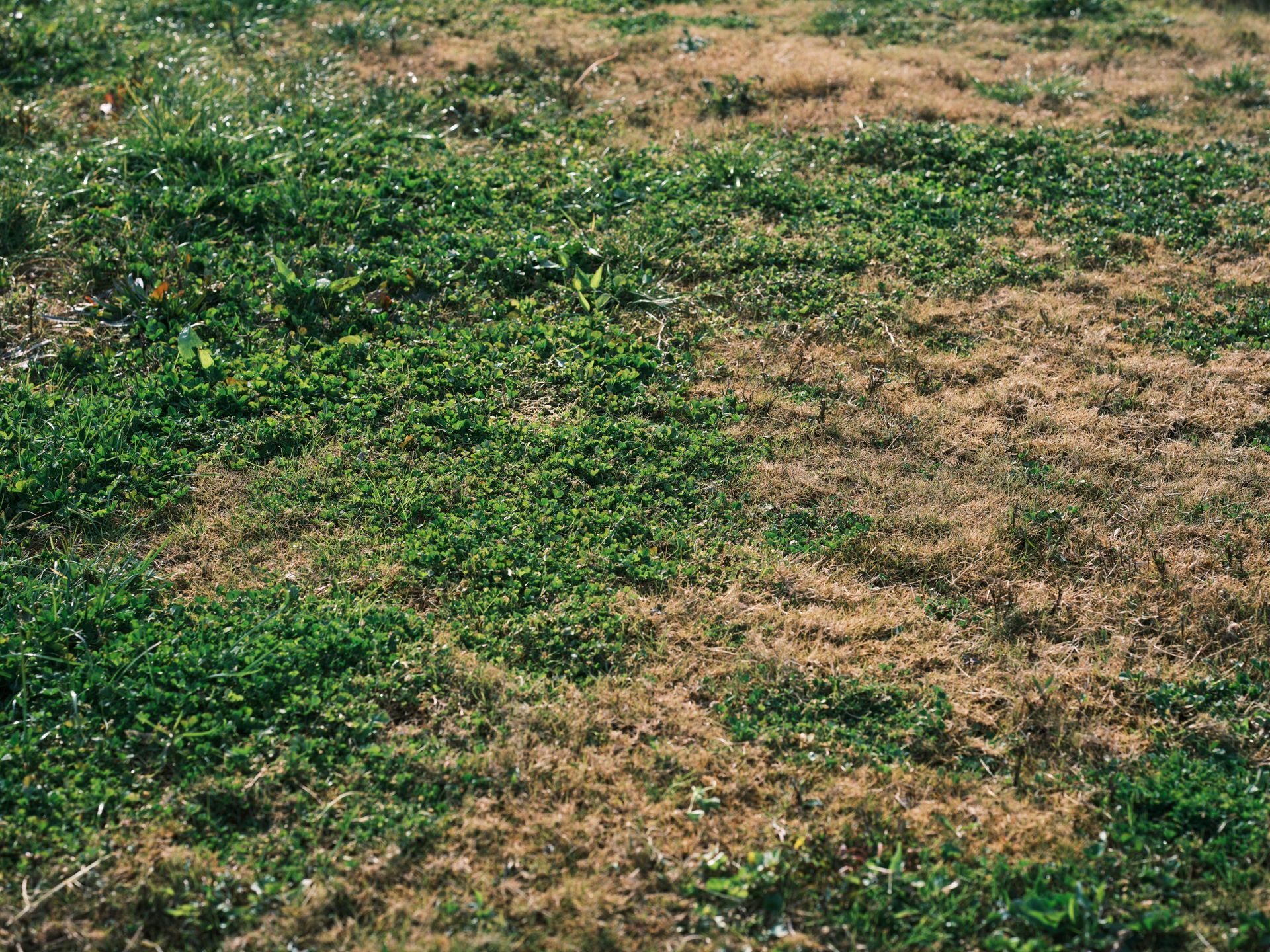
Thin turf, bare patches, soil compaction, and other growing-condition problems can create opportunities for weeds. Even effective post-emergent applications may provide only temporary improvement if those conditions remain.
For example, treating weeds in a patchy lawn addresses the plants currently growing there, but it doesn't automatically restore grass density.
Depending on the property, a more complete approach might include fertilization, properly timed weed control, or improvements to turf establishment.
Our customized lawn treatment programs consider the lawn's condition rather than focusing only on individual weeds.
For severely damaged or thinning turf, lawn rehabilitation and renovation may also be worth evaluating.
Frequently Asked Questions
Can I mow after applying post-emergent weed killer?
It depends on the product. Some herbicides require avoiding mowing for a specified period before or after application so enough treated foliage remains for absorption. Always follow the label's mowing instructions.
Will post-emergent weed killer damage my grass?
It can if the product isn't suitable for your turfgrass species or is applied incorrectly. Even selective lawn herbicides have restrictions involving application rates, temperature, and turf condition.
Can I apply post-emergent weed control after overseeding?
Sometimes, but only when the product label permits it. Newly established grass is more sensitive to certain herbicides, and labels may require waiting until the grass has been mowed a specified number of times or meets other establishment requirements.
Does post-emergent weed control prevent new weeds?
Not necessarily. Post-emergent products primarily target emerged weeds, although some formulations also provide residual control. Preventing future germination often requires a separate, properly timed weed management approach.
Is spot weed control better than treating the entire lawn?
Spot treatment can be appropriate when weeds are limited to specific areas. More widespread weed pressure may require a different approach. The best choice depends on the weed species, distribution, turf condition, and product label.
Still Seeing Weeds After Treatment? Let's Find Out Why.
If your weeds aren't responding the way you expected, another application isn't always the answer.
At AmeriLawn, we evaluate the weeds present, the condition of your lawn, and previous treatments before recommending the next step. Our goal is to help you understand what's happening and develop a practical plan for improving your lawn.
We provide weed control and customized lawn treatment services throughout Springfield, Nixa, Ozark, Republic, and surrounding Southwest Missouri communities.
Request a Free Estimate and tell us what you've been noticing in your yard.