When Should You Aerate and Overseed Your Lawn in Springfield, MO? A Fall Timing Guide
By late August, many Springfield-area lawns are showing what summer left behind: thinner grass, bare areas, compacted soil, weed pressure, or turf that has struggled through heat and stress. This is also when homeowners start wondering whether they should seed now, wait until later in fall, or add aeration to the plan.
For cool-season grasses, the University of Missouri Extension recommends seeding between August 25 and October 10, with lawns seeded closer to Labor Day having more time to establish before winter. That makes late August and September an important window for fall overseeding in Southwest Missouri.
But good timing does not mean every struggling lawn should automatically be aerated and overseeded. This guide focuses on when and how to plan fall aeration and overseeding. If the bigger question is whether your lawn needs aeration, overseeding, rehabilitation, or renovation, that requires a separate look at the lawn's overall condition and the cause of the damage.
The Fall Overseeding Window in Southwest Missouri
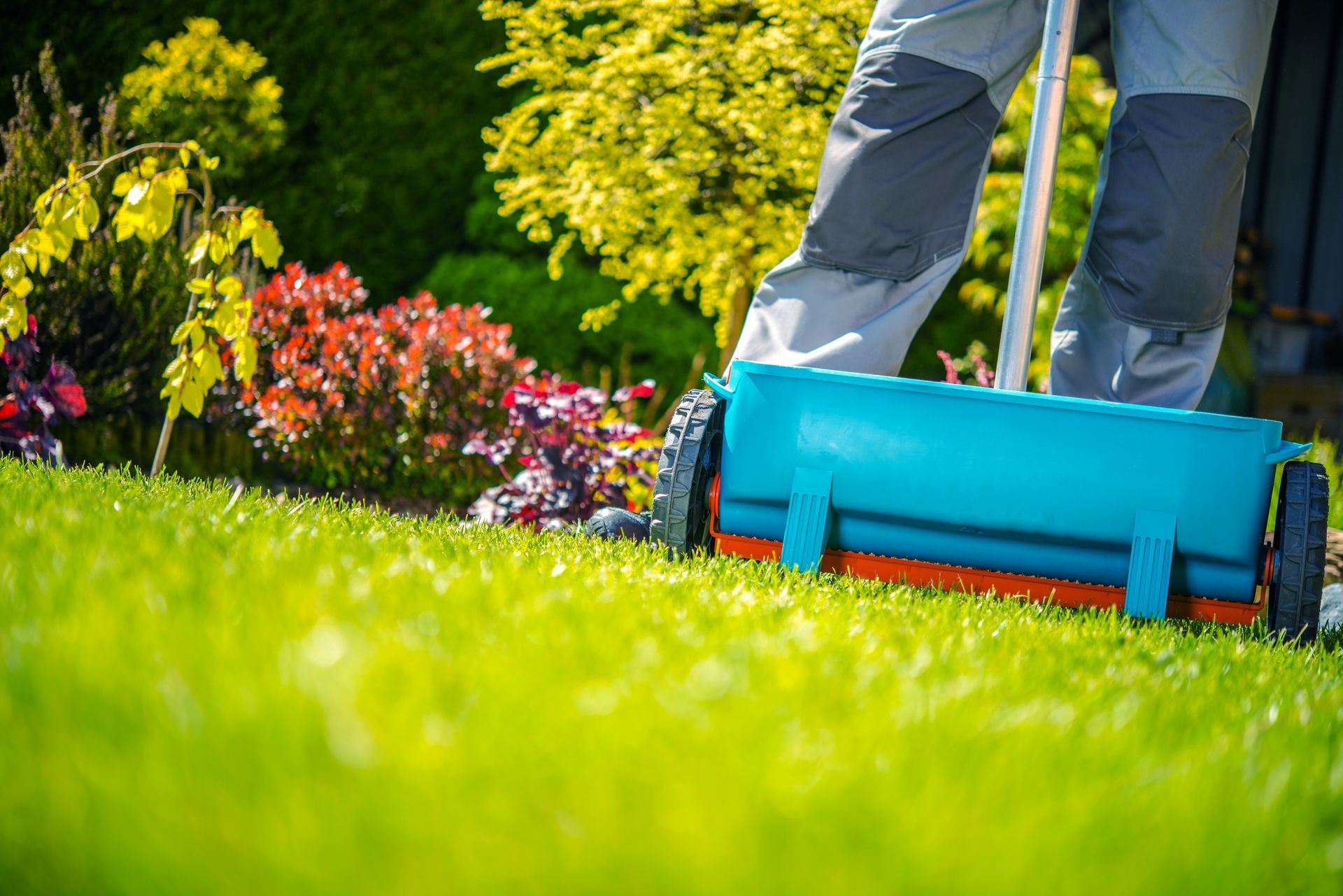
For many cool-season lawns in Springfield and surrounding communities, late August through September is the most useful period for fall overseeding. MU Extension identifies August 25 through October 10 as the preferred seeding period for cool-season grasses and notes that lawns seeded around Labor Day have an advantage over lawns seeded later in October.
That doesn't mean October 10 should be treated as a target date. Grass needs time to germinate and establish before colder conditions slow growth. Starting earlier within the recommended window generally provides more establishment time.
This is especially relevant for homeowners who reach late summer with thin turf and assume they can simply postpone the work until the end of fall.
The calendar is also one reason spring should not automatically be viewed as an equal substitute. Cool-season grass seeded in spring has a shorter establishment period before Missouri's summer conditions arrive and can face stronger competition from warm-season weeds.
For homeowners in Springfield, Nixa, Ozark, and nearby Southwest Missouri communities, the practical takeaway is simple: fall lawn improvement should be planned before the fall window is almost over.
Why Late Summer and Early Fall Work So Well
Fall gives cool-season turf an opportunity to establish under more favorable conditions than it typically encounters during the middle of a Missouri summer.
Soil remains warm enough to support seed germination while increasingly moderate conditions can support young grass as it develops. Common cool-season turfgrasses used in Missouri, including turf-type tall fescue, benefit from having time to establish before winter and then continue developing before facing the following summer.
This timing also coincides with the point when many homeowners can clearly see where their lawns struggled during summer.
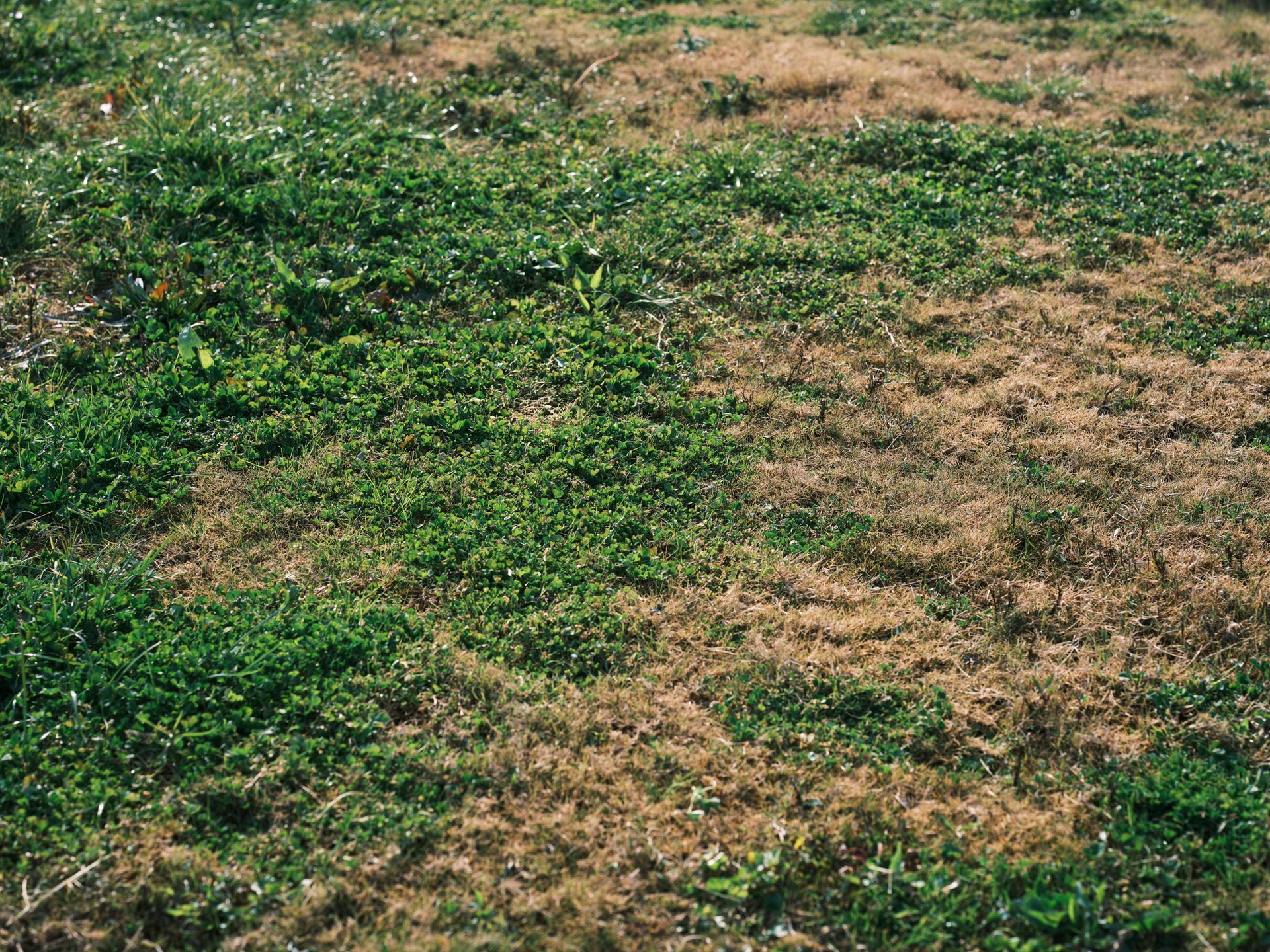
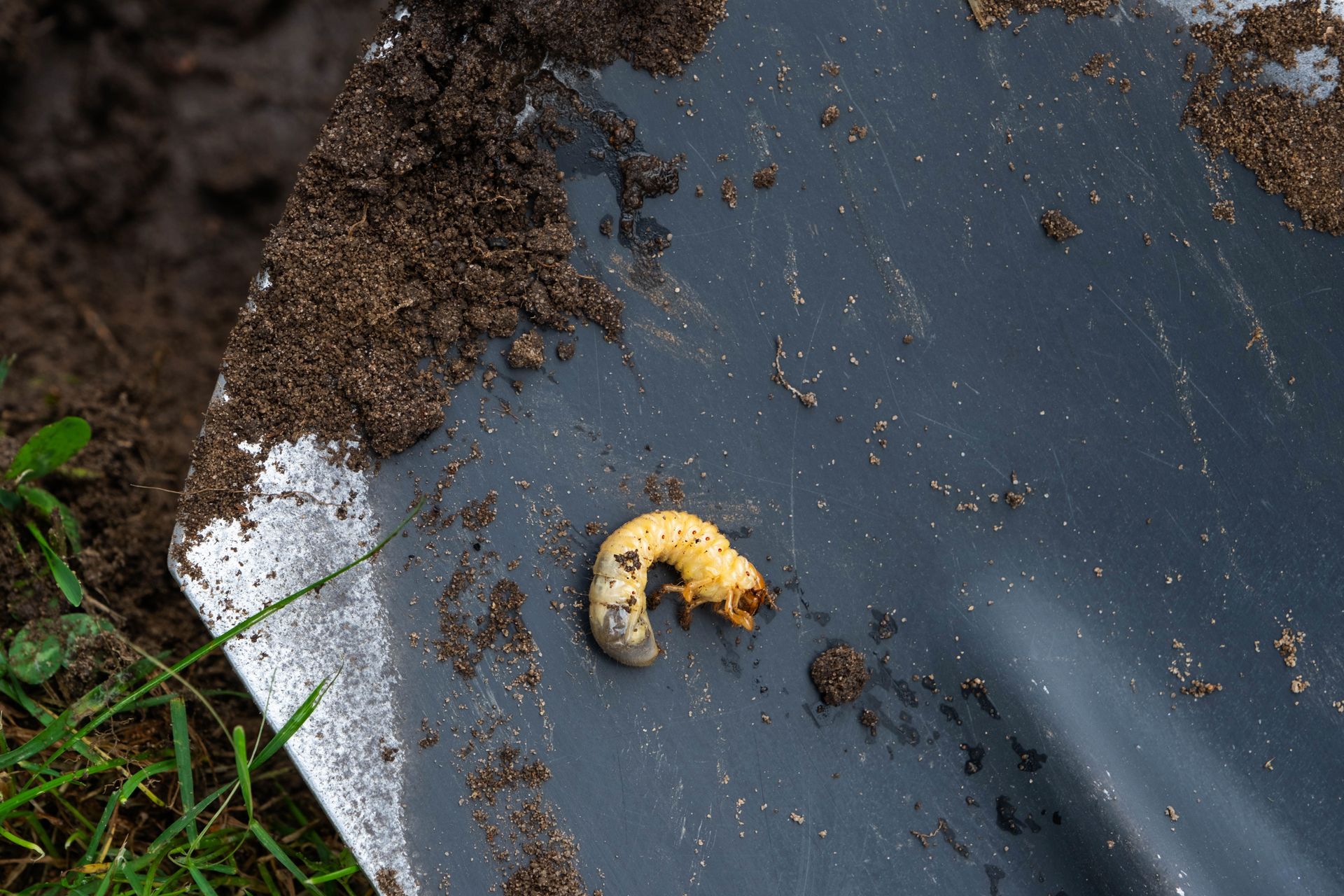
Thin areas may become more obvious. Bare spots stand out. Heavy-use areas may reveal compaction. Weed pressure may be easier to assess.
One recommendation we frequently make is to look at those conditions before putting down seed. Good timing helps, but timing alone cannot correct the reason a lawn became thin.
If summer left you wondering whether your turf is temporarily stressed or actually needs repair, our Missouri damaged-lawn recovery guide provides a deeper look at what to evaluate before fall work begins.
Should Aeration Be Part of Your Fall Plan?
Aeration can be a useful part of fall overseeding when soil compaction is limiting turf growth or when soil preparation and seed-to-soil contact need to be improved for establishment.
Areas exposed to repeated foot traffic, mowing, or other pressure can become compacted over time. Turf may become thin or struggle to establish even when other routine maintenance is taking place.
Possible signs of compaction include hard soil, weak turf in heavily used areas, poor water infiltration, and difficulty maintaining dense grass coverage.
That doesn't mean every lawn being overseeded must also be aerated.
This is an important distinction because aeration and overseeding are often marketed together as though they are inseparable. They frequently complement each other, but the need for aeration should still be based on lawn and soil conditions.
This article is intentionally not trying to diagnose every struggling lawn. A lawn with widespread turf loss or several underlying problems may need a different improvement strategy. Our companion guide to aeration, overseeding, and lawn renovation explains how those options differ and when each may deserve consideration.
Preparing a Lawn Before New Seed Goes Down
Successful fall overseeding starts before the seed is applied. Existing weeds, mowing, soil conditions, previous treatments, and the homeowner's ability to provide water afterward can all affect establishment.
Before overseeding, it is useful to consider:
- whether weeds are occupying areas where new grass needs to establish;
- whether soil compaction needs to be addressed;
- whether the existing lawn has been mowed appropriately for the planned work;
- whether recent lawn applications affect seeding timing; and
- how the new seed will be watered during germination and early growth.
Something we've learned from helping customers is that homeowners naturally focus on the day the seed goes down. The weeks surrounding that service can be just as important.
A coordinated approach is one reason we offer lawn care and turf-improvement services that include aeration and overseeding, lawn treatment programs, weed control, fertilization, turf rehabilitation, and lawn renovation. The goal is to consider how lawn-care decisions work together instead of treating every service as an unrelated event.
Can You Control Weeds and Overseed at the Same Time?
Weed control and overseeding need to be coordinated carefully because some herbicides can interfere with new grass establishment. The appropriate timing depends on the product, existing weeds, turf conditions, and treatment plan.
That makes "Should I spray my weeds before overseeding?" a more complicated question than it first appears.
Heavy weed pressure can compete with young grass for space, light, water, and nutrients. At the same time, applying the wrong product too close to seeding can create another establishment problem.
MU Extension's lawn-renovation guidance incorporates weed management into preparation for seeding rather than treating weed control and turf establishment as unrelated decisions.
This is also an area where professional application knowledge matters. Here at Amerilawn, our application technicians are licensed through the Missouri Department of Agriculture and trained in the proper application and handling of herbicide products. We use customized treatment schedules rather than assuming every property needs the same applications at the same time.
If weed control is already part of your lawn treatment program, make sure the seeding plan accounts for what has been applied and when.
What New Grass Needs After Overseeding
Putting seed down is only the beginning. Newly seeded turf needs consistent moisture and appropriate care while it germinates and becomes established.
MU Extension recommends keeping the soil surface moist during establishment. The objective is consistent moisture. Not creating puddles, runoff, or saturated conditions.
Homeowners should also plan for changes in normal lawn use.
Watering needs more attention at first
New seed is much less forgiving of drying out than established turf. Weather conditions affect how quickly the surface dries, so watering should respond to actual conditions rather than an arbitrary schedule.
Give newly seeded areas time to establish
Heavy foot traffic, pets, equipment, and repeated use can interfere with young turf. Reducing unnecessary traffic gives seedlings a better opportunity to develop.
Mowing won't immediately return to normal
Mowing should be based on the height and establishment of the developing turf rather than automatically returning to the previous schedule. Avoid mowing so early that young plants are unnecessarily disturbed.
Set realistic expectations
Overseeding is not an overnight lawn transformation. Germination and establishment take time, and weather, watering, existing turf conditions, grass type, and site conditions can influence what homeowners see.
Clear expectations are particularly important when comparing professional lawn-care options. A good fall plan should explain not only what is being done, but also what the homeowner needs to do afterward.
Don't Wait Too Long to Make a Fall Plan
The biggest timing mistake isn't necessarily missing one particular date. It's waiting until late fall to start thinking about what needs to happen.
A lawn may need weed-control decisions coordinated with seeding. Compaction may need to be addressed. The homeowner needs to prepare for watering. And if the lawn has more extensive damage than expected, simple overseeding may not be the appropriate plan.
That is why late August is useful for more than performing services. It is a good time to evaluate and plan.
If you're looking at a thin Springfield lawn now, start by identifying the areas that struggled, noting significant weeds or bare areas, and considering how the property performed through summer.
Then determine the appropriate timing for the work that actually needs to be done.
Frequently Asked Questions
Is September a good time to overseed a lawn in Springfield, Missouri?
Yes. September falls within MU Extension's preferred August 25-October 10 seeding period for cool-season grasses. Seeding earlier within that window generally provides more establishment time before winter.
Can you aerate and overseed a lawn at the same time?
Yes. The two services are commonly paired when soil compaction and low turf density both need attention. Aeration is not automatically necessary for every lawn being overseeded, however.
Can I overseed without aerating first?
Yes, in some situations. Aeration is particularly useful when compaction or soil conditions make it beneficial, but whether it is necessary depends on the property.
How long should I stay off a lawn after overseeding?
Traffic should be minimized while new grass is germinating and establishing. There isn't one universal number of days for every lawn because establishment varies with grass type, weather, moisture, and site conditions.
What happens if it doesn't rain after overseeding?
New seed still needs consistent moisture, so homeowners should be prepared to water when rainfall isn't providing enough. Allowing germinating seed to repeatedly dry out can interfere with establishment.
Is October too late to overseed in Springfield?
Not necessarily, but waiting reduces the available establishment time. MU Extension's preferred cool-season seeding window extends through October 10, while also noting the advantages of seeding closer to Labor Day rather than later in the window.
Plan Your Fall Lawn Work Before the Window Passes
Late August and September give Springfield-area homeowners an important opportunity to improve cool-season turf. The best results start with more than choosing a date: aeration, weed-control timing, overseeding, watering, and aftercare need to work together.
At AmeriLawn, we help homeowners determine how to approach fall lawn improvement based on the conditions of the individual property rather than automatically recommending the same services everywhere. If you're unsure when to aerate and overseed your lawn or how existing weeds and treatments affect your timing request a free lawn care estimate for your Springfield-area property.