What Does Lawn Renovation Actually Fix? Signs Your Yard Needs More Than Fertilizer
Every spring, we hear the same frustration from homeowners across Southwest Missouri:
“We’ve already done lawn treatments… so why does the yard still look bad?”
By May, most lawns should be actively thickening, greening up, and recovering from winter stress. When that is not happening, there is usually a deeper issue underneath the surface that fertilizer alone cannot fix.
After more than 25 years working with turf conditions, herbicide applications, and lawn improvement throughout the Ozarks, we have seen how quickly lawns decline when root health and soil structure begin failing. Compacted clay soil, recurring weed pressure, drainage problems, and thinning turf are extremely common throughout Springfield, Nixa, Ozark, and surrounding communities.
This is also why many homeowners become frustrated with generic lawn care programs. They may see temporary color improvement after treatment, but the grass itself never truly becomes healthier or thicker long term.
That frustration shows up constantly in local homeowner discussions and lawn care forums:
- “Why do weeds keep coming back?”
- “Why won’t my grass fill in?”
- “Why does my lawn still look thin after treatments?”
- “Am I just feeding weeds at this point?”
In many cases, the lawn does not simply need fertilizer. It needs rehabilitation.
On This Page
- Why fertilizer alone does not fix every lawn problem
- What lawn renovation actually means
- Common lawn problems renovation can fix
- Why Missouri lawns struggle over time
- Lawn renovation vs basic lawn treatments
- Common mistakes homeowners make with struggling lawns
- Can a damaged lawn recover?
- Signs it may be time for professional lawn renovation
- Why customized lawn treatment plans work better
- What to expect from lawn rehabilitation
- Frequently asked questions
Why Fertilizer Alone Does Not Fix Every Lawn Problem
Fertilizer is important, but it is often misunderstood.
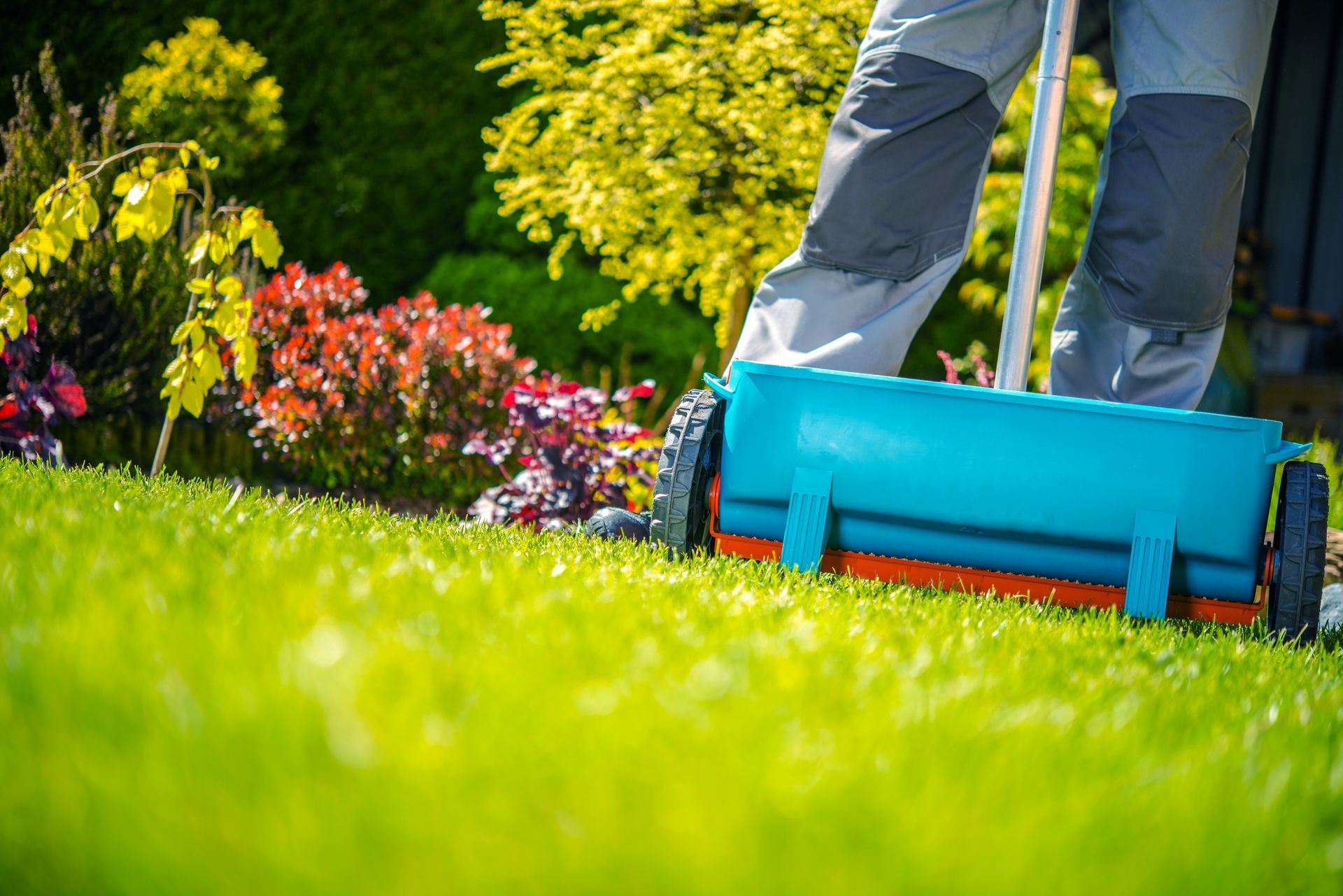
A healthy lawn needs nutrients to grow properly. Fertilizer helps improve turf color, supports root development, and encourages growth. But when the lawn itself is unhealthy underneath the surface, fertilizer alone usually cannot solve the problem.
This is why homeowners searching for lawn fertilization services are sometimes disappointed when the lawn still struggles months later.
What Fertilizer Is Actually Designed To Do
Fertilizer is designed to:
- Feed healthy grass
- Support root growth
- Improve color
- Help turf recover from stress
- Maintain lawn health over time
What it does not fix is:
- Compacted soil
- Severe thatch buildup
- Drainage failures
- Widespread thinning
- Weak turf density
- Dead root zones
According to the University of Missouri Extension, long-term lawn health depends heavily on proper soil conditions and turf management practices, not simply nutrient application alone.
Signs Your Lawn Needs More Than Lawn Fertilization
There are several warning signs that usually indicate the lawn needs more than standard treatment applications:
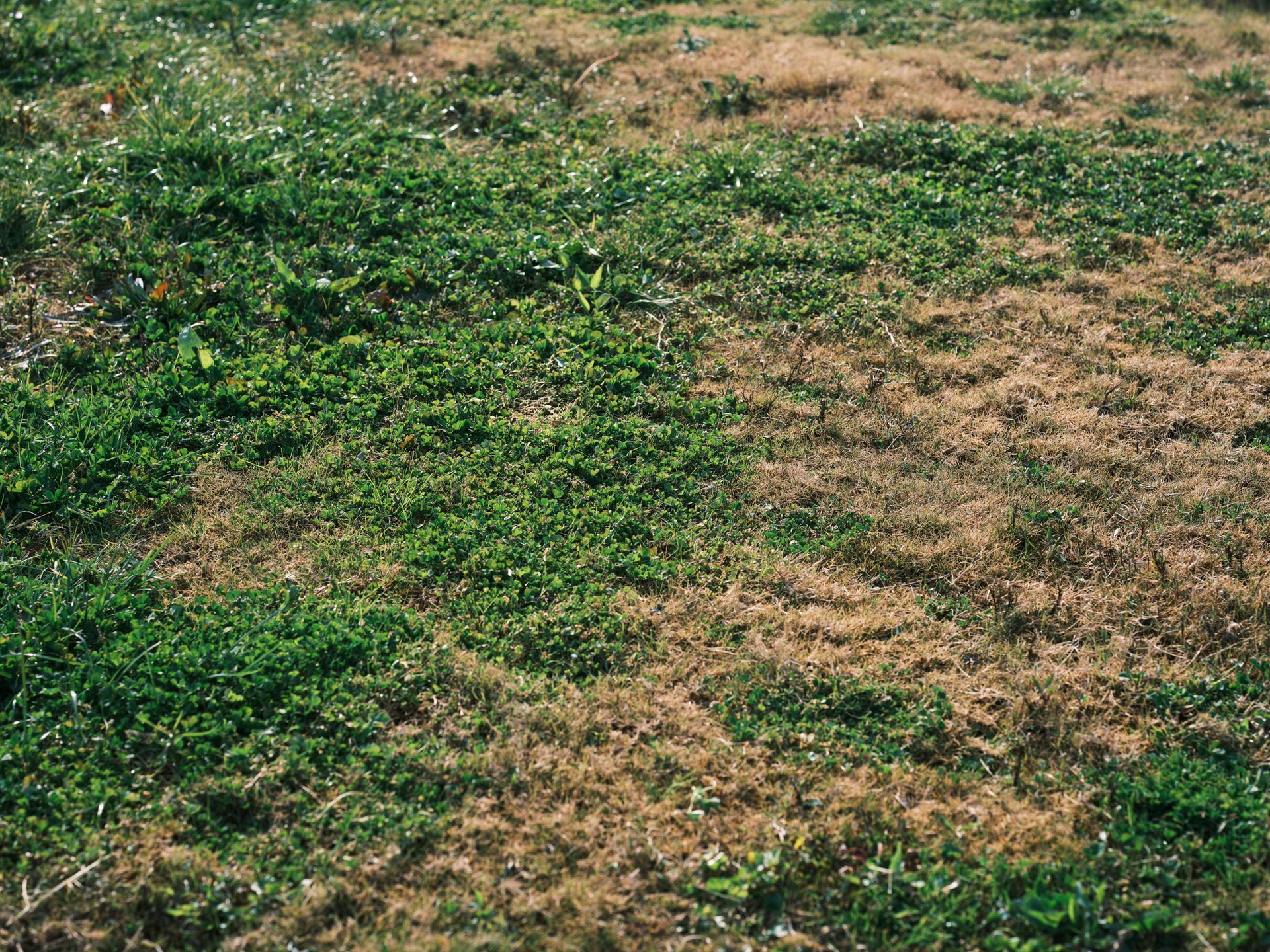
- Grass remains thin through late spring
- Weeds reclaim treated areas quickly
- Water puddles instead of soaking in
- Bare patches repeatedly return
- Turf feels weak or spongy
- Grass color remains uneven
- The lawn never thickens naturally
One thing we commonly see throughout Southwest Missouri is homeowners continuing to add fertilizer to lawns that are already struggling with compacted soil and shallow roots. At that point, the lawn often cannot properly absorb nutrients anyway.
What Is Lawn Renovation?
Lawn renovation is the process of rebuilding unhealthy turf by correcting the underlying problems preventing healthy grass growth.
Unlike basic maintenance programs, renovation focuses on restoring turf density, root development, soil structure, drainage performance, and long-term lawn health.
For homeowners researching lawn renovation in Springfield, MO, this often involves correcting years of soil compaction, thinning grass, repeated weed pressure, failed overseeding, poor drainage, and inconsistent lawn care practices.
Depending on the property, renovation may include aeration, overseeding, turf rehabilitation, soil improvement, weed reduction, and corrective lawn treatments.
At AmeriLawn, we often explain lawn renovation as rebuilding the lawn instead of simply maintaining it.
Common Lawn Problems Lawn Renovation Can Actually Fix
Thin or Bare Lawn Areas
Healthy turf naturally spreads and thickens over time. When that process stops happening, there is usually an underlying issue limiting recovery.
We commonly see thinning turf caused by compacted soil, shallow roots, drought stress, excessive runoff, repeated mowing stress, and poor seeding attempts.
This is where aeration and overseeding services can make a major difference in rebuilding turf density.
Weed-Dominated Lawns
Weeds are usually a symptom of weak turf conditions, not just a weed-control issue.
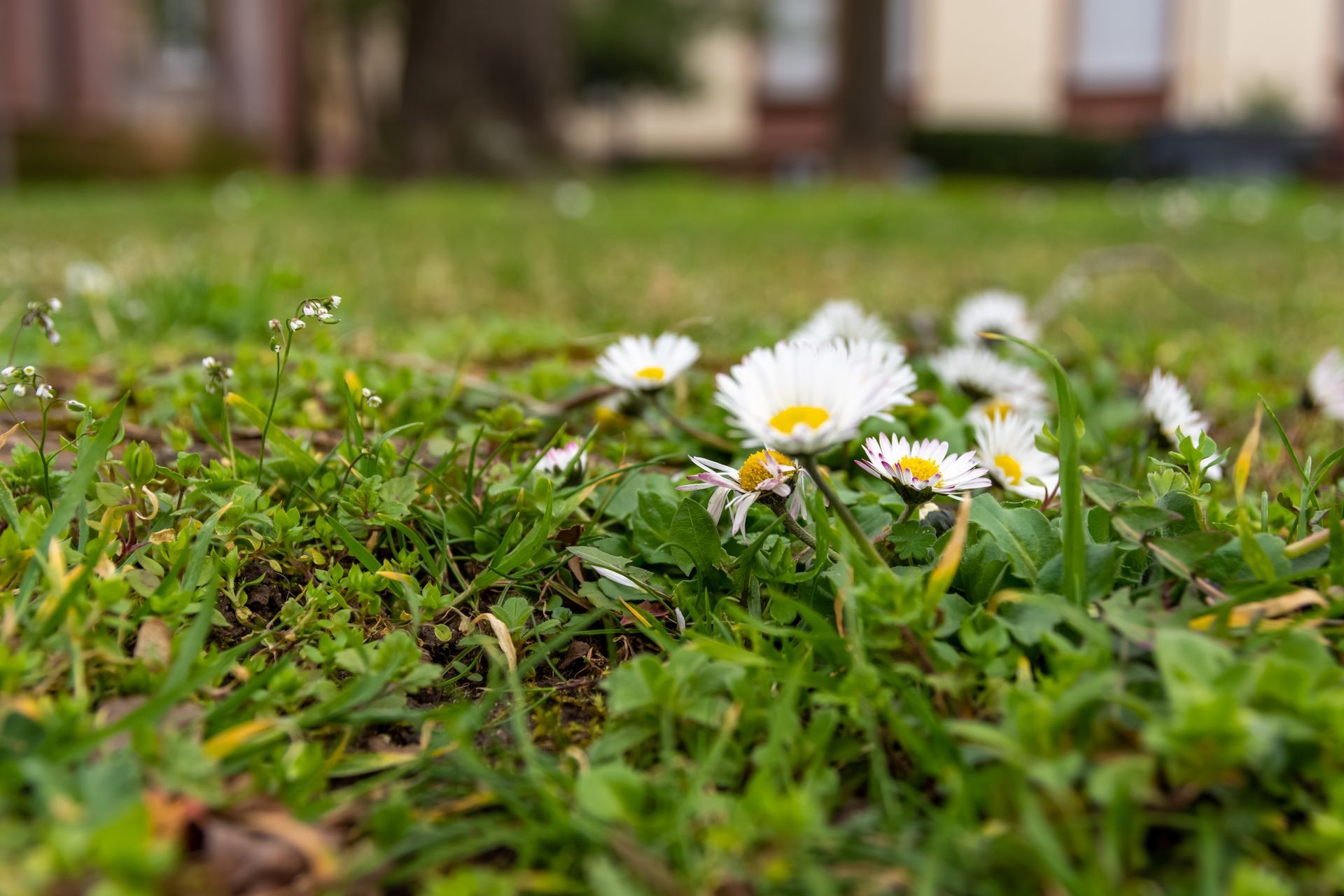
When grass becomes thin, weeds quickly move into the open space. Across Ozark and Republic, common problem weeds include crabgrass, clover, dandelions, and broadleaf weeds.
Many homeowners repeatedly invest in weed control treatments without addressing the weak turf conditions allowing weeds to return in the first place.
Soil Compaction Problems
Compacted soil is one of the biggest hidden lawn problems in the Ozarks region.
Dense clay-heavy soil restricts oxygen flow, water absorption, nutrient movement, and root development.
When the soil becomes too compacted, the lawn slowly begins declining even if treatments are being applied consistently.
The USDA Natural Resources Conservation Service explains that healthy soil structure is essential for sustainable plant and turf growth.
Patchy Growth and Uneven Color
Uneven lawns are usually signs the turf is responding differently across the property.
This often happens because of drainage inconsistencies, shade differences, compacted areas, root stress, and uneven moisture retention.
Many homeowners mistake this for “bad fertilizer,” when the real issue is uneven growing conditions underneath the lawn.
Winter Damage and Lawn Stress Recovery
May is when winter damage becomes easiest to identify.
Throughout Southwest Missouri, lawns often enter spring dealing with weakened root systems, muddy low spots, stressed turf, delayed recovery, and winter thinning.
This is one reason spring lawn evaluations are extremely important before summer heat arrives.
Why Missouri Lawns Struggle More Than Homeowners Expect
Many lawn care programs are built around broad national schedules that do not account for how Missouri turf actually behaves.
Dense Clay Soil Conditions
Much of Southwest Missouri contains dense clay soil that compacts easily and drains inconsistently.
That creates long-term problems with shallow roots, heat stress, runoff, and poor nutrient absorption.
Extreme Seasonal Weather Swings
Missouri lawns deal with wet spring conditions, rapid temperature changes, prolonged summer heat, drought periods, and freeze-and-thaw cycles.
Those environmental stresses add up quickly on already weakened lawns.
What National Lawn Companies Often Miss
One issue we regularly hear from homeowners is that previous providers treated every property exactly the same.
But lawns throughout Springfield, Rogersville, Nixa, and surrounding communities can behave very differently depending on soil composition, sunlight exposure, drainage patterns, turf condition, and traffic levels.
That is why customized lawn treatment plans usually outperform generic national programs long term.
Common Mistakes Homeowners Make With Struggling Lawns
One of the most common mistakes is assuming every lawn issue needs another treatment application.
In reality, repeatedly applying fertilizer to weak turf can sometimes create more frustration if the underlying conditions are never corrected.
Other common mistakes include:
- Mowing too short during summer
- Ignoring compacted soil
- Overseeding without aeration
- Expecting immediate recovery
- Waiting too long to address thinning turf
By the time many homeowners finally call for help, the lawn has often already been struggling for several seasons.
Lawn Renovation vs Basic Lawn Treatments
Basic lawn treatments are designed to maintain healthy lawns.
Lawn renovation is designed to repair unhealthy lawns.
A maintenance program may focus on fertilization, weed prevention, seasonal applications, and routine turf support.
A renovation plan focuses on correcting why the lawn stopped improving.
That often includes rebuilding turf density, improving root development, correcting compacted soil, restoring healthier growth patterns, and improving long-term turf resilience.
For many homeowners, lawn treatment in Ozark, MO works best when paired with corrective turf rehabilitation.
Can a Bad Lawn Actually Recover?
In many cases, yes.
Even heavily stressed lawns can often recover when the underlying problems are identified early and treated properly.
The key is understanding that sustainable lawn improvement takes time.
One of the biggest frustrations homeowners have comes from unrealistic expectations created by companies promising overnight results. Healthy lawns improve gradually because root development and soil recovery happen below the surface first.
Strong recovery depends on consistent treatments, proper timing, healthy soil conditions, turf density improvement, and realistic maintenance expectations.
Signs It May Be Time To Call a Lawn Renovation Professional
If your lawn continues struggling year after year, there is usually a deeper issue preventing improvement.
Some common warning signs include:
- Weeds constantly returning
- Bare areas spreading
- Standing water after rain
- Compacted soil
- Weak turf density
- Poor spring recovery
- Disappointing results from previous lawn companies
These are often indicators the lawn needs rehabilitation instead of another quick treatment.
Why Customized Lawn Treatment Plans Usually Perform Better
No two lawns are exactly alike.
Sunlight exposure, drainage, traffic patterns, soil composition, and turf condition all influence how a lawn responds to treatment.
At AmeriLawn, treatment plans are built around the actual property conditions instead of relying on generic application schedules. Our licensed technicians understand how Southwest Missouri turf behaves throughout the season and adjust treatments accordingly.
That local experience helps homeowners avoid wasted treatments and long-term frustration.
What Homeowners Should Expect From a Lawn Renovation Plan
Every lawn renovation plan is different, but most involve evaluating current turf health, identifying soil issues, improving airflow and drainage, rebuilding turf density, reducing weed pressure, and creating a long-term lawn improvement plan.
The goal is not temporary cosmetic improvement.
The goal is creating healthier turf that performs better season after season.
Homeowners who understand that process typically see stronger long-term results and fewer recurring lawn problems.
Frequently Asked Questions
Does lawn renovation work on severely damaged lawns?
In many cases, yes. Even lawns with major thinning or weed pressure can often improve significantly with proper rehabilitation and ongoing maintenance.
How long does lawn renovation take?
Some improvement may appear during the first growing season, but long-term turf recovery often takes multiple treatment cycles depending on lawn condition and weather.
Is overseeding enough by itself?
Usually not. Overseeding works best when paired with aeration, soil improvement, and consistent lawn treatment scheduling.
Healthier Lawns Start By Fixing the Real Problem
If your lawn still looks weak after repeated fertilizer treatments, there is usually a deeper reason behind it.
Thin turf, recurring weeds, compacted soil, and patchy growth are often signs the lawn needs rehabilitation instead of another quick application.
At AmeriLawn, we help homeowners throughout Springfield, Ozark, Nixa, Republic, and surrounding Southwest Missouri communities understand what their lawn actually needs to recover long term.
If you are tired of temporary results and want honest answers from a local team that understands Missouri lawn conditions, we are ready to help.
Request your free lawn evaluation today and let our team build a customized treatment plan designed for your property, your soil conditions, and your long-term lawn goals.