Does Your Springfield Lawn Need a Soil Test Before Fertilizing?
If your lawn looks thin, pale, or simply isn't improving the way you expected, adding more fertilizer may seem like the obvious next step. But before assuming the lawn needs more nutrients, it can be useful to understand what is happening in the soil.
A soil test can provide information about soil pH and nutrient levels that helps guide fertilizer and lime decisions. It cannot, however, diagnose every reason a lawn struggles. Compaction, weeds, insects, drainage, shade, watering, mowing practices, and turf loss can all affect a lawn even when soil fertility isn't the primary problem.
For Springfield homeowners, the goal isn't to test soil just for the sake of testing. At AmeriLawn, we believe the goal is to use the right information to make better lawn-care decisions.
What a Lawn Soil Test Actually Tells You
A soil test gives you information you can't get simply by looking at the grass.
The University of Missouri Soil and Plant Testing Laboratory's routine lawn and garden testing evaluates factors including soil pH, phosphorus, potassium, calcium, magnesium, organic matter, neutralizable acidity, and cation exchange capacity. The results can be used to develop fertilizer and lime recommendations.
That information matters because healthy turf depends partly on the conditions surrounding its roots. Testing can help determine whether an amendment is actually warranted instead of relying on guesswork.
When Is a Soil Test Worth Doing?
Not every lawn needs to be tested every time the grass looks different.
Soil testing is particularly useful before establishing or renovating a lawn because it gives you an opportunity to address fertility and pH needs as part of the process.
It can also make sense when you're trying to correct a known or suspected nutrient issue, considering whether lime is necessary, or managing an established lawn that hasn't been tested for several years.
University of Missouri Extension recommends testing established turf about every three years. More frequent testing may be appropriate when you're correcting a nutrient deficiency or trying to change soil pH.
The important point is that testing should answer a question. If you want to know whether the soil actually needs a particular nutrient or amendment, a test is much more useful than choosing a product based solely on how the grass looks.
A Soil Test Can't Diagnose Every Lawn Problem
This is where homeowners can sometimes expect too much from the results.
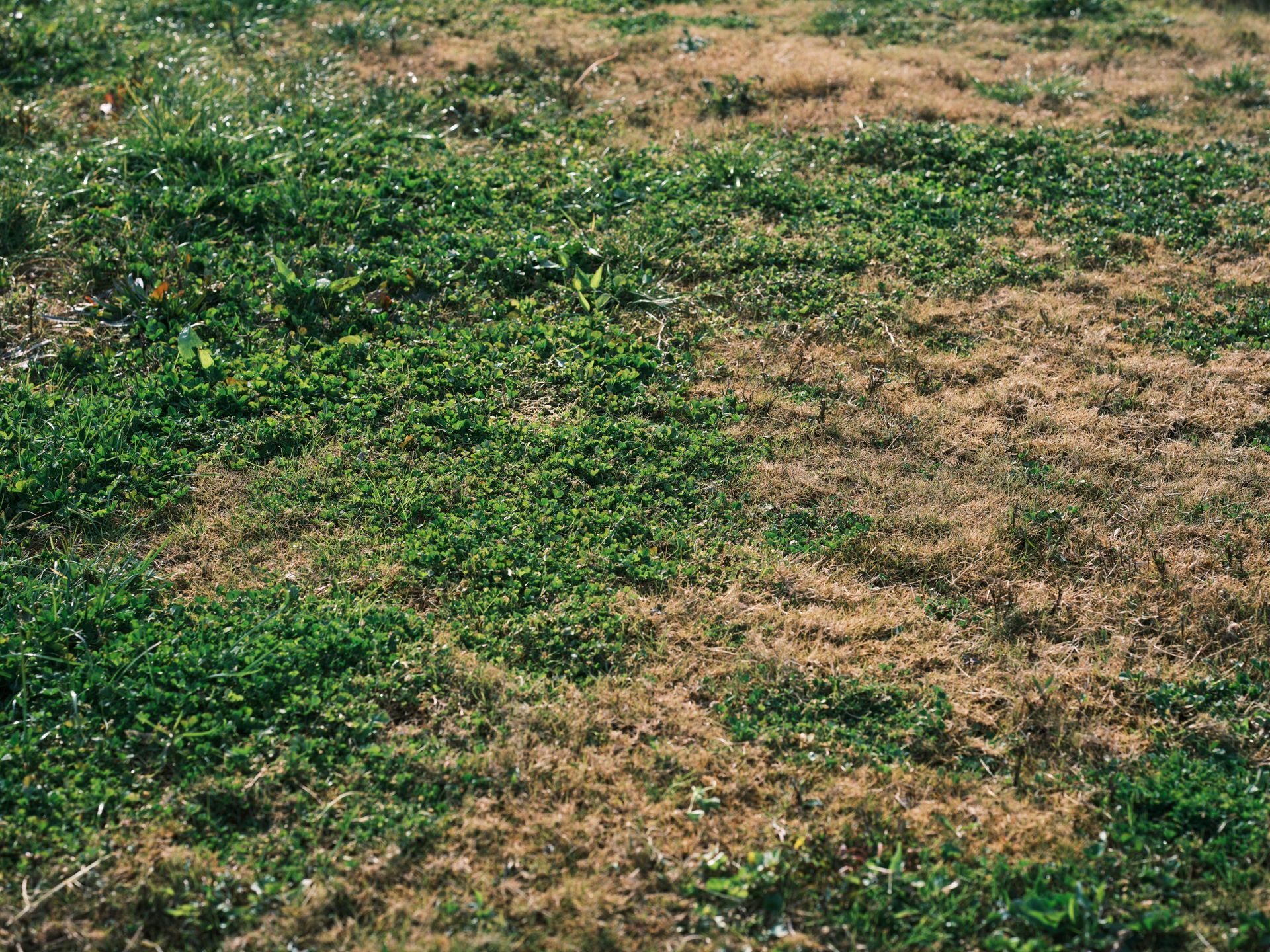
If your lawn is thin, brown, patchy, or full of weeds, soil fertility is only one possible part of the problem.
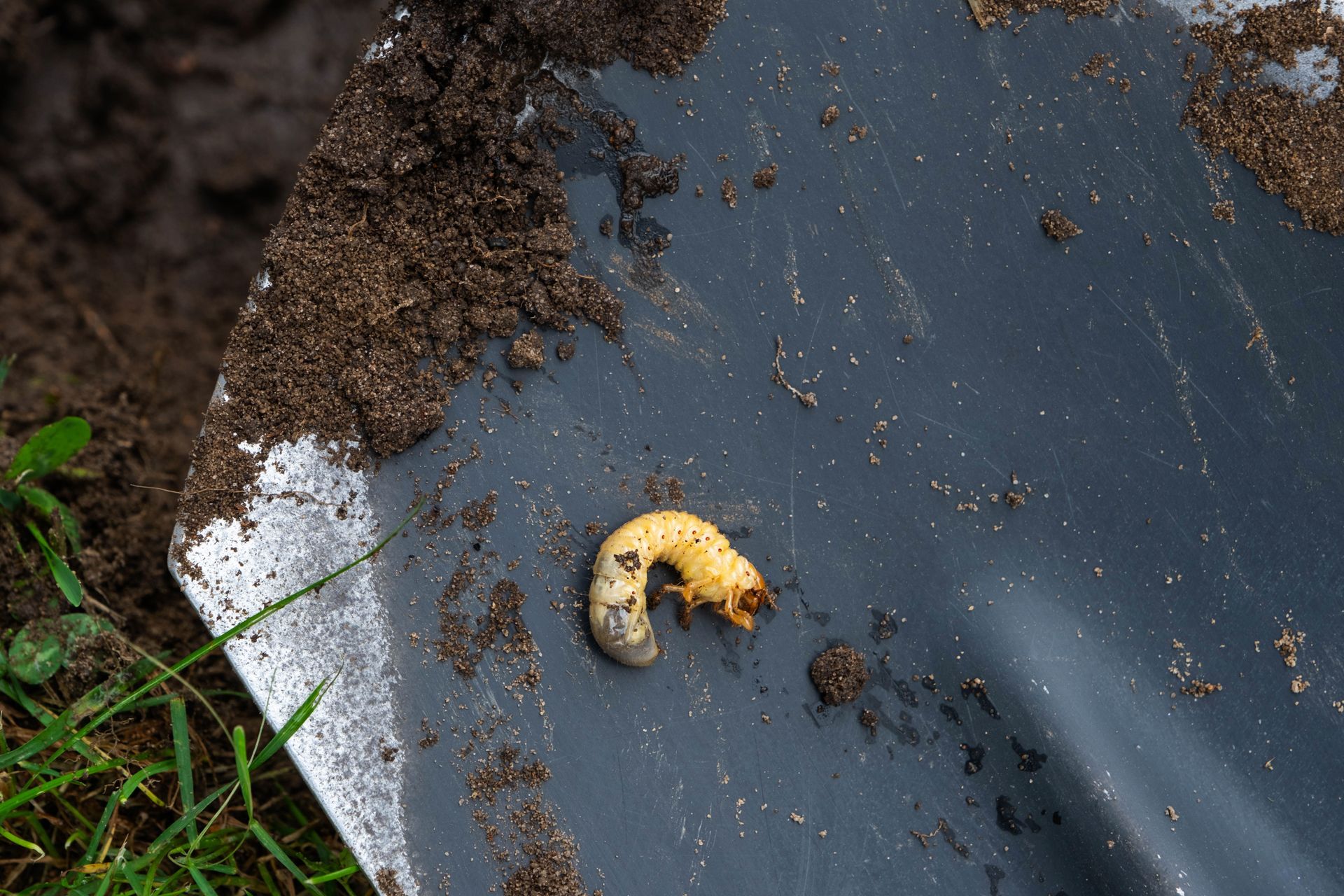
Compacted soil can restrict root development. Poor drainage can create persistently wet areas. Insects can damage turf. Heavy shade can make it difficult for certain grasses to thrive. Summer heat and drought can leave damaged areas behind. A lawn that has already lost substantial turf may need new grass rather than another round of fertilizer.
That's why we look at the condition of the property before assuming every struggling Springfield lawn needs the same treatment.
If your lawn has deteriorated beyond a simple fertility issue, our guide to what lawn renovation actually fixes explains when a yard may need more than fertilizer.
Should You Add More Fertilizer If Your Lawn Isn't Improving?
Not automatically.
One mistake homeowners can make is treating fertilizer as the answer whenever grass isn't as green or thick as expected. Fertilizer supplies nutrients, but it can't correct every condition that limits turf growth.
Applying nutrients the soil doesn't need isn't a substitute for identifying the actual problem. Soil testing can help with the fertility side of that decision, while evaluating the lawn itself provides the rest of the picture.
This is also why our lawn care services aren't built around assuming every property needs the exact same combination of treatments. Depending on what is happening in the lawn, the appropriate plan may involve fertilization, weed control, aeration and overseeding, turf rehabilitation, or another approach.
What About Lime? Don't Guess From Appearance
A struggling lawn doesn't automatically need lime.
Lime is used to raise soil pH when conditions warrant it. Soil pH affects turfgrass growth, and the appropriate pH range can vary by turfgrass and soil conditions.
Those symptoms can have many causes.
A soil test gives you actual pH information and helps determine whether lime is appropriate. Without that information, you're making a soil amendment based on appearance rather than what is happening below the surface.
When To Test Lawn Soil in Missouri
You don't have to wait until spring.
University of Missouri Extension notes that lawn and garden soil can be sampled throughout the year from a nutrient-availability standpoint. Fall and winter can actually provide additional time to receive results and plan future fertility management.
For an established Springfield lawn, that can make fall a practical time to step back and evaluate how the yard performed during the growing season.
Did certain areas remain thin? Did the lawn respond as expected to fertilization? Are you considering overseeding, renovation, or changes to next year's treatment plan?
Those questions can help determine whether soil testing would provide useful information.
What Should You Do With Your Soil Test Results?
A test report should guide decisions, not become the only thing you consider.
Use the results to understand soil fertility and pH recommendations. Then consider them alongside what you're actually seeing across the property.
If the test doesn't reveal a significant fertility issue but the lawn still struggles, that's useful information too. It may be time to look more closely at compaction, turf density, weeds, insects, drainage, environmental stress, or other conditions.
AmeriLawn does not need a homeowner to diagnose the lawn or choose a particular service before reaching out to us.
Frequently Asked Questions
How often should you test lawn soil in Missouri?
For established turf, University of Missouri Extension recommends soil testing about every three years. Testing may be appropriate more frequently when correcting a nutrient deficiency or changing soil pH.
Can a soil test tell me why my grass is dying?
Not necessarily. A soil test can identify fertility and pH conditions, but it doesn't diagnose every potential cause of turf decline, such as insects, compaction, drainage, shade, or environmental stress.
Should I test my soil before fertilizing?
Testing can be especially useful when you don't have recent soil information, are establishing or renovating turf, suspect a nutrient problem, or need to determine whether a soil amendment is appropriate.
Does a soil test tell me if my lawn needs lime?
A soil test can help determine whether lime is recommended. Soil pH and related test results provide information that is more useful than relying on the lawn’s appearance alone.
Where can I get lawn soil tested in Missouri?
The University of Missouri Soil and Plant Testing Laboratory provides soil-testing services and research-based fertilizer and lime recommendations for Missouri homeowners.
Understand the Lawn Before Choosing the Treatment
A soil test can answer important questions about what's happening below the surface, but it's only one part of understanding a struggling lawn.
If you're not sure whether your lawn needs different fertilization, weed control, aeration and overseeding, or a more extensive improvement plan, we'll start by looking at what's actually happening on your property.
Request a free estimate and let us help you determine a practical next step for your Springfield-area lawn.