Should I Fix My Damaged Lawn Now or Wait Until Fall? A Missouri Lawn Recovery Guide
If your lawn is brown, thin, patchy, or losing larger areas of grass during a Missouri summer, you may be wondering whether you should start repairing it now or wait until fall.
For many damaged cool-season lawns, the answer is both: address problems that are actively making the lawn worse now, then complete major recovery work when growing conditions are more favorable.
Weed pressure, grub activity, watering problems, and damaging mowing practices should not necessarily be ignored until fall. Significant overseeding and lawn renovation, however, are often better planned for a more favorable establishment window. Missouri Extension notes that cool-season grasses perform best during cooler spring and fall conditions.
At AmeriLawn, one of the first things we consider when evaluating a struggling lawn is why it declined in the first place. Two properties can have similar-looking brown patches and still need completely different recovery plans.
Heat stress, uneven watering, insects, weeds, compacted soil, mowing practices, and permanent turf loss can all create thin or brown areas. The right solution depends on what is actually causing the damage.
The goal is not to throw more seed or fertilizer at a struggling lawn. It is to understand the problem, protect the healthy turf that remains, and build a realistic recovery plan for the property.
Should You Repair a Damaged Lawn Now or Wait Until Fall?
Address problems that are actively damaging the lawn now, but consider waiting for more favorable conditions before attempting major cool-season turf repair.
For many lawns around Springfield, Ozark, and other Southwest Missouri communities, summer is a good time to identify what went wrong and protect the turf that can still recover. More extensive aeration, overseeding, or turf rehabilitation may make more sense once conditions are better suited to establishing new growth.
The key distinction is simple:
| What Is Happening? | What Should You Do? |
|---|---|
| Something is actively damaging the lawn | Identify and address the cause |
| Large areas have permanently lost turf | Plan the recovery now and time the work appropriately |
| You do not know what caused the damage | Diagnose the problem before choosing a solution |
Waiting for the right repair window does not mean ignoring the lawn.
What should I correct now so my lawn is actually ready to recover later?
For a homeowner in Nixa or South Springfield, that is often the better question to ask.
Before You Repair Anything, Is the Lawn Actually Dead?
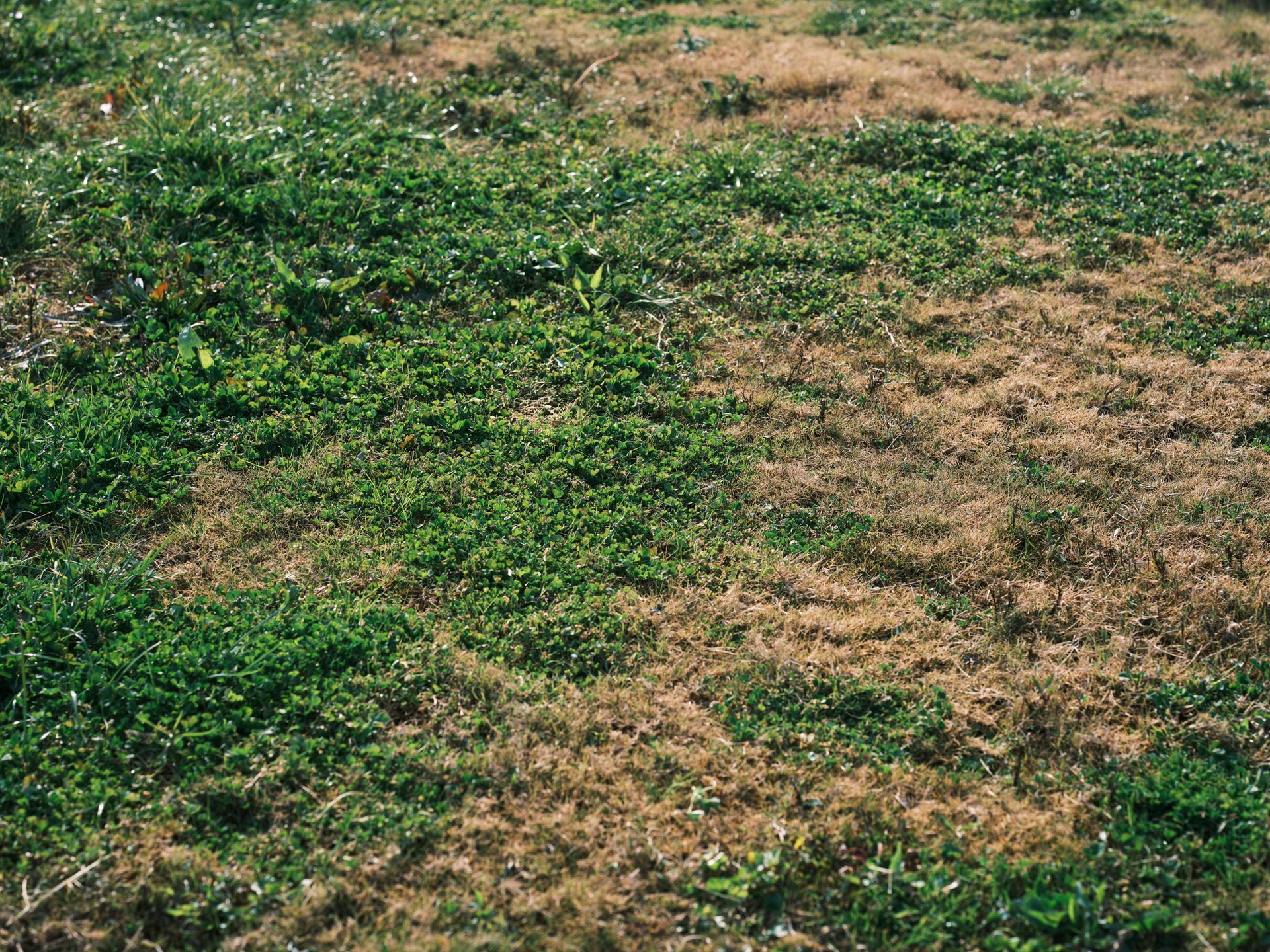
Brown grass does not automatically mean dead grass.
A lawn may lose color because of heat stress, drought, uneven irrigation, insect activity, mowing damage, soil conditions, or another underlying issue. Those problems do not all require the same response.
Signs the Grass May Be Heat-Stressed or Dormant
During prolonged summer heat, cool-season turf can slow its growth and lose color. Grass that looks severely stressed may still have living crowns and roots capable of recovering when conditions improve.
Widespread browning during hot, dry conditions may point toward environmental stress. Smaller or irregular patches may suggest uneven watering, root damage, compaction, or another localized problem.
This is why immediately reseeding every brown area can be a mistake. The existing grass may still be viable, and adding seed will not correct the condition that caused the stress.
Signs the Lawn May Have Permanent Damage
- Bare soil remains after surrounding grass begins recovering.
- The turf has lost significant root structure.
- Confirmed insect activity has caused substantial root damage.
- Large areas remain severely thin.
- The same sections repeatedly fail because the growing conditions never improve.
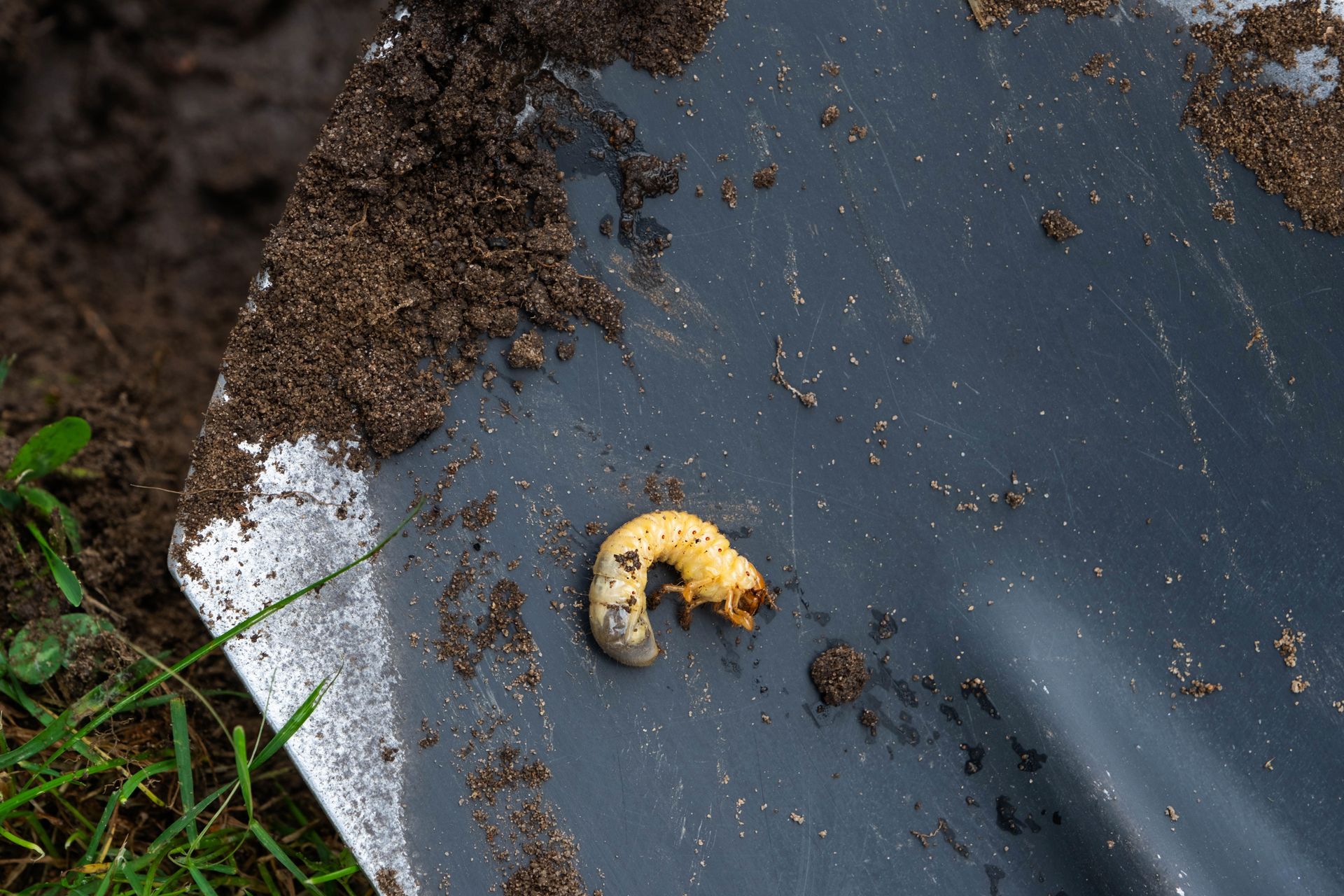
White grub damage is one problem that can initially resemble ordinary summer stress. Missouri Extension notes that damage often becomes noticeable in late July or early August, and heavily damaged sod may pull up easily because the roots have been pruned.
Around Branson and Hollister, properties can also have significant differences in slope, exposure, soil conditions, and available moisture. That makes the history and pattern of the damage just as important as how brown the grass appears today.
Why the Cause Determines the Recovery Plan
A struggling lawn does not have one universal solution.
| Lawn Problem | What Matters Now | Possible Next Step |
|---|---|---|
| Heat or drought stress | Reduce additional stress | Reassess recovery |
| Uneven watering | Correct irrigation problems | Repair permanent turf loss |
| Heavy weed pressure | Develop an appropriate control strategy | Improve turf density |
| Confirmed grub damage | Address the active pest issue | Repair damaged areas |
| Compacted soil | Improve growing conditions | Consider core aeration |
| Significant thinning | Protect remaining healthy turf | Consider overseeding or rehabilitation |
One mistake homeowners can make is treating the visible damage as the entire problem.
Brown or bare grass may only be the symptom. Until you understand the cause, it is difficult to know whether the lawn needs a maintenance adjustment, professional lawn treatment, overseeding, or more complete renovation.
What Lawn Problems Should You Address Now Instead of Waiting?
Major turf recovery may be better timed for later, but active problems can continue making the lawn worse while you wait.
Active Weed Pressure
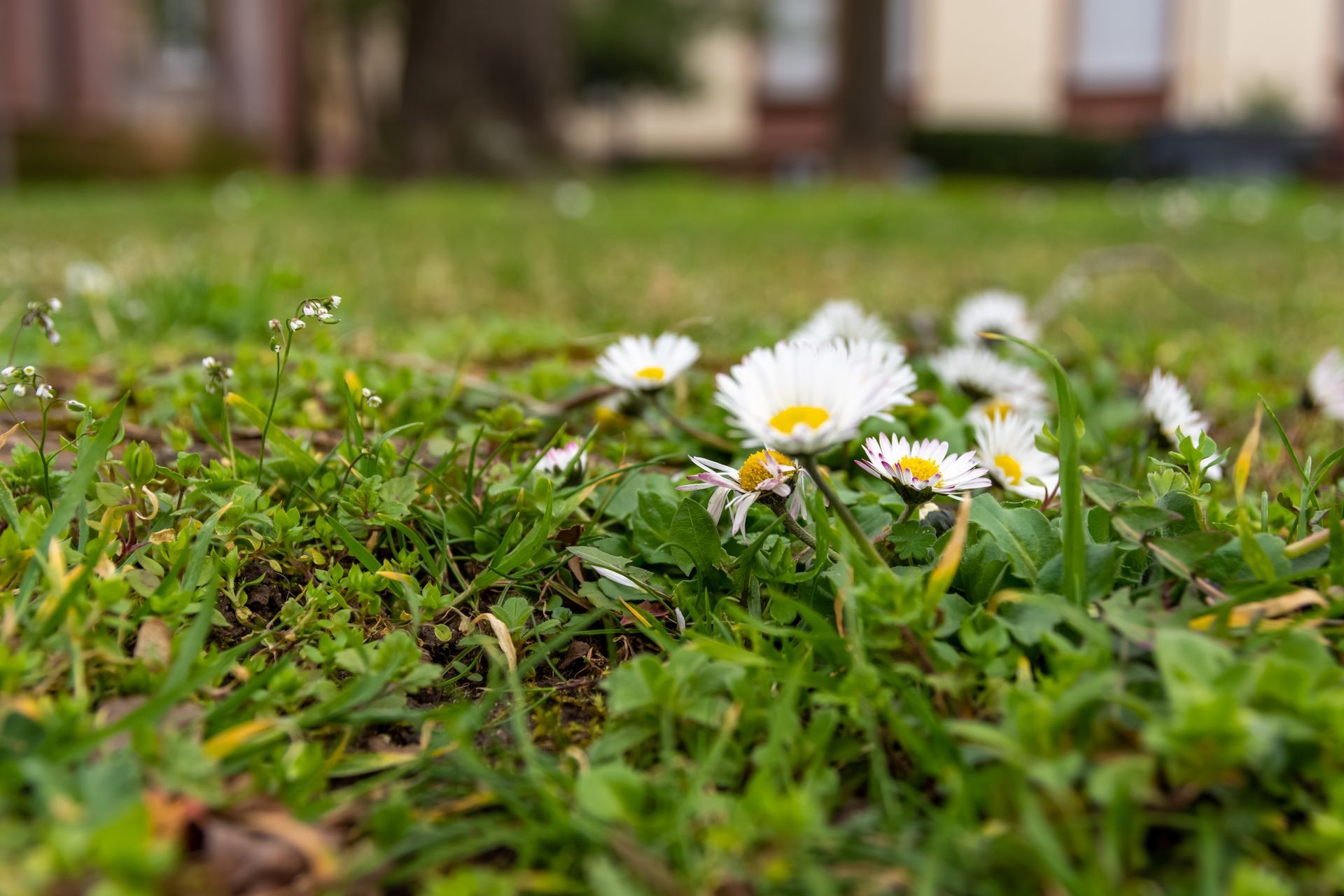
Thin turf creates more open space for weeds to establish and compete with the grass that remains.
That does not mean every damaged summer lawn should automatically receive the same weed-control application. Weed species, turf condition, current weather, treatment timing, and future seeding plans can all affect the appropriate approach.
A customized lawn treatment and weed control program should consider both the lawn's current condition and the long-term recovery plan.
For properties in Republic or Rogersville, as elsewhere in the region, the right recommendation can vary considerably based on the specific lawn rather than the ZIP code.
Grub or Other Insect Damage
If insects are actively damaging the root system, postponing the entire issue until fall can allow additional turf loss.
Grub injury may initially resemble heat or drought stress, which is why proper identification matters before treatment.
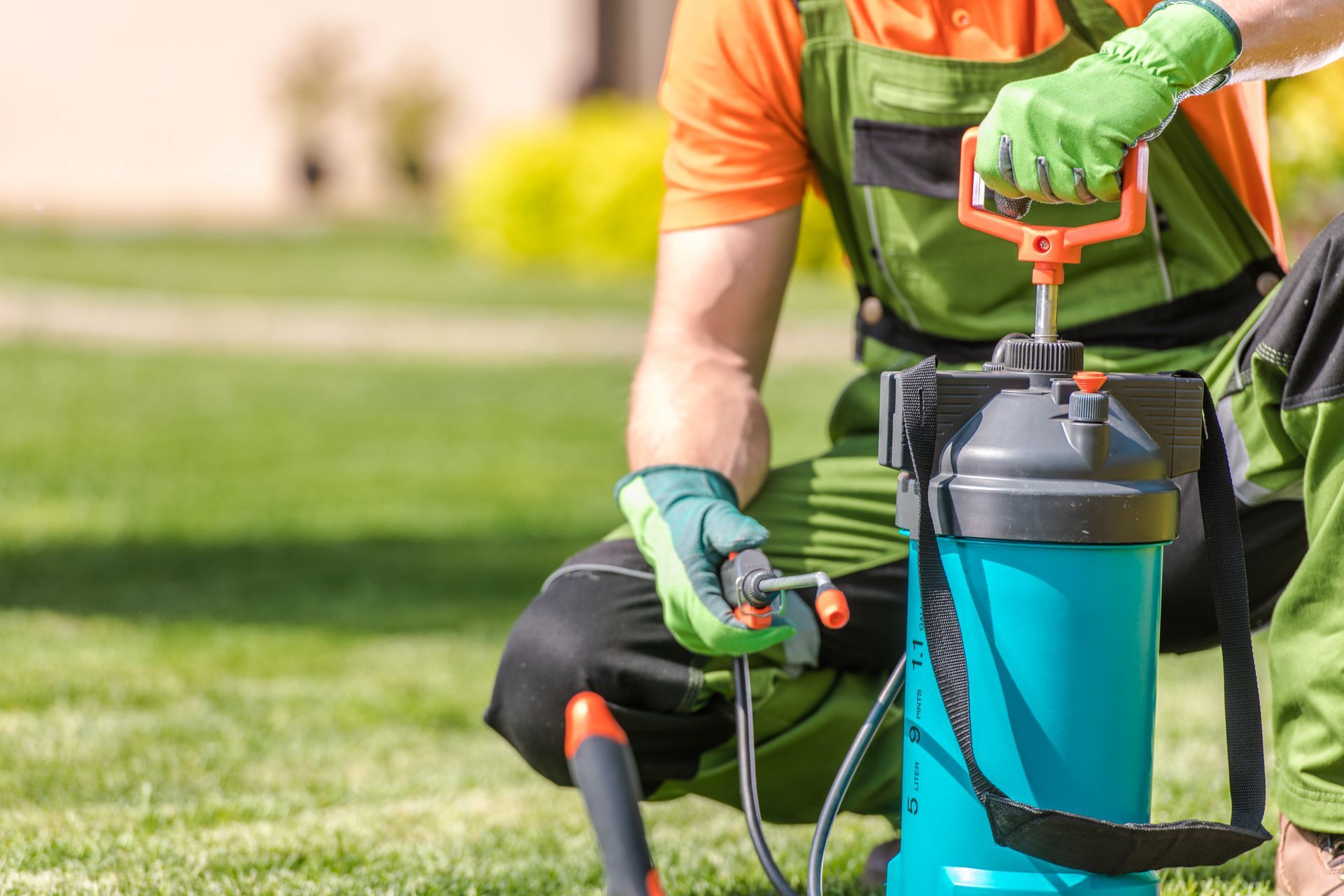
The goal should be to confirm whether insects are actually contributing to the problem and then determine the appropriate response. AmeriLawn provides professional lawn treatments and grub control when those services are appropriate for the property.
Watering Problems
A lawn will continue struggling if the same moisture problem that contributed to the damage remains unresolved.
One area may receive too little water while another remains wet for too long. Grass beside driveways, sidewalks, and other hard surfaces can also dry more quickly during intense summer heat.
Correcting an obvious watering problem now may prevent a manageable weak area from becoming a larger fall repair project.
Mowing Damage and Additional Summer Stress
Mowing practices become especially important when grass is already struggling.
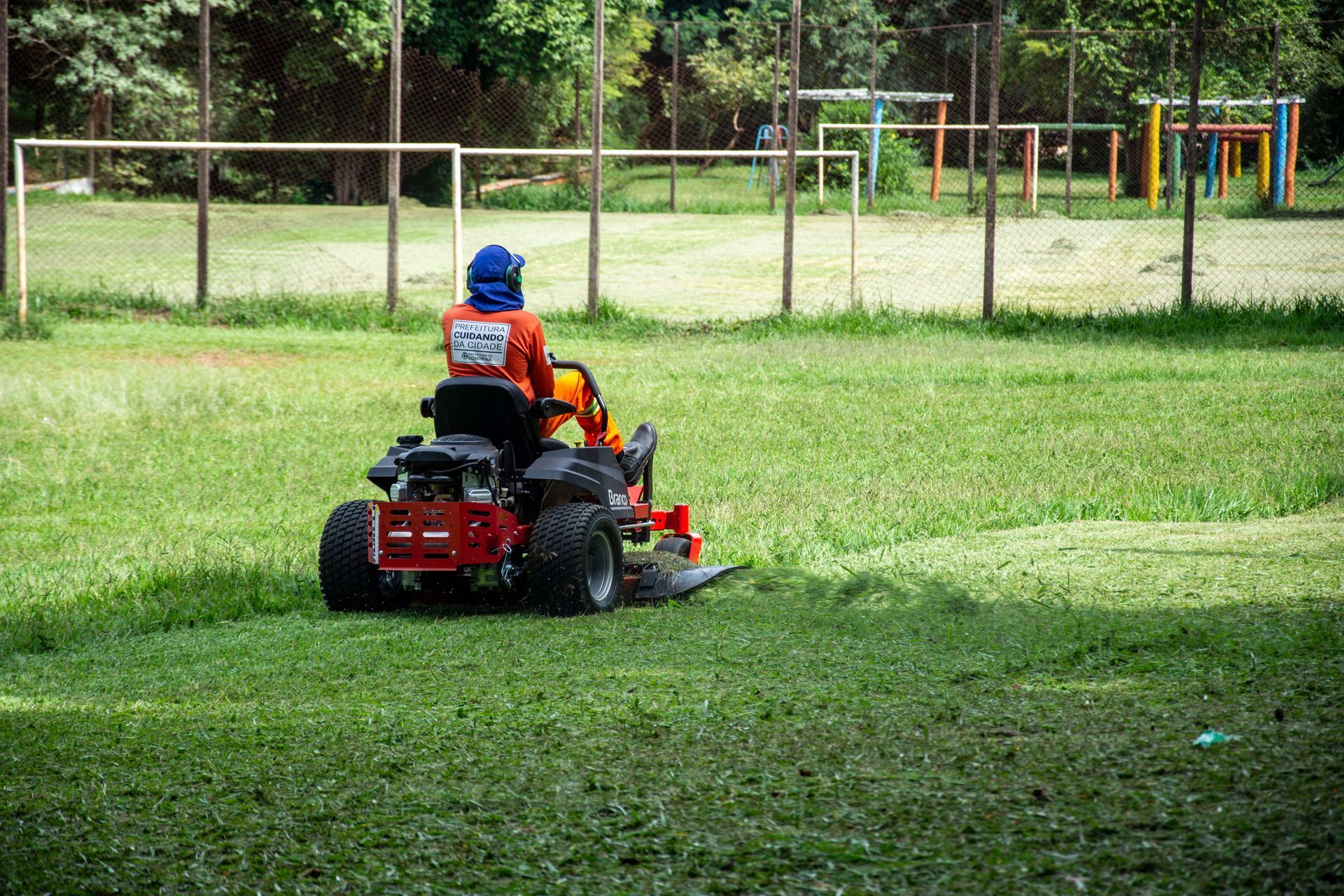
Cutting stressed cool-season grass too short can create additional pressure on the plant. Dull blades can also tear rather than cleanly cut the grass.
During periods of slow summer growth, mowing should follow the condition and actual growth of the turf rather than an automatic schedule.
A fall renovation cannot permanently solve a lawn problem if the condition that caused the damage is still there.
Before rebuilding the turf, address the issues that could cause the new grass to fail again.
Which Lawn Repairs Are Usually Better Planned for Fall?
For many cool-season Missouri lawns, significant seeding and renovation are better planned around a more favorable late-summer or fall establishment period than the peak heat of July.
Overseeding Thin or Bare Turf
Overseeding can improve turf density when enough healthy, desirable grass remains to build upon.
The goal is not simply to get seed to germinate. New grass also needs enough time and suitable conditions to establish stronger roots.
Missouri Extension guidance discusses establishment practices for cool-season turf and the role overseeding can play in persistently thin areas.
For homeowners in Ozark or Nixa, July can still be a useful time to evaluate thinning areas and determine whether overseeding should be part of the upcoming recovery plan.
Core Aeration for Compacted Soil
Compacted soil can restrict water movement, air exchange, and root development.
When compaction is contributing to thin turf, simply spreading seed over the surface may not address the real growing problem.
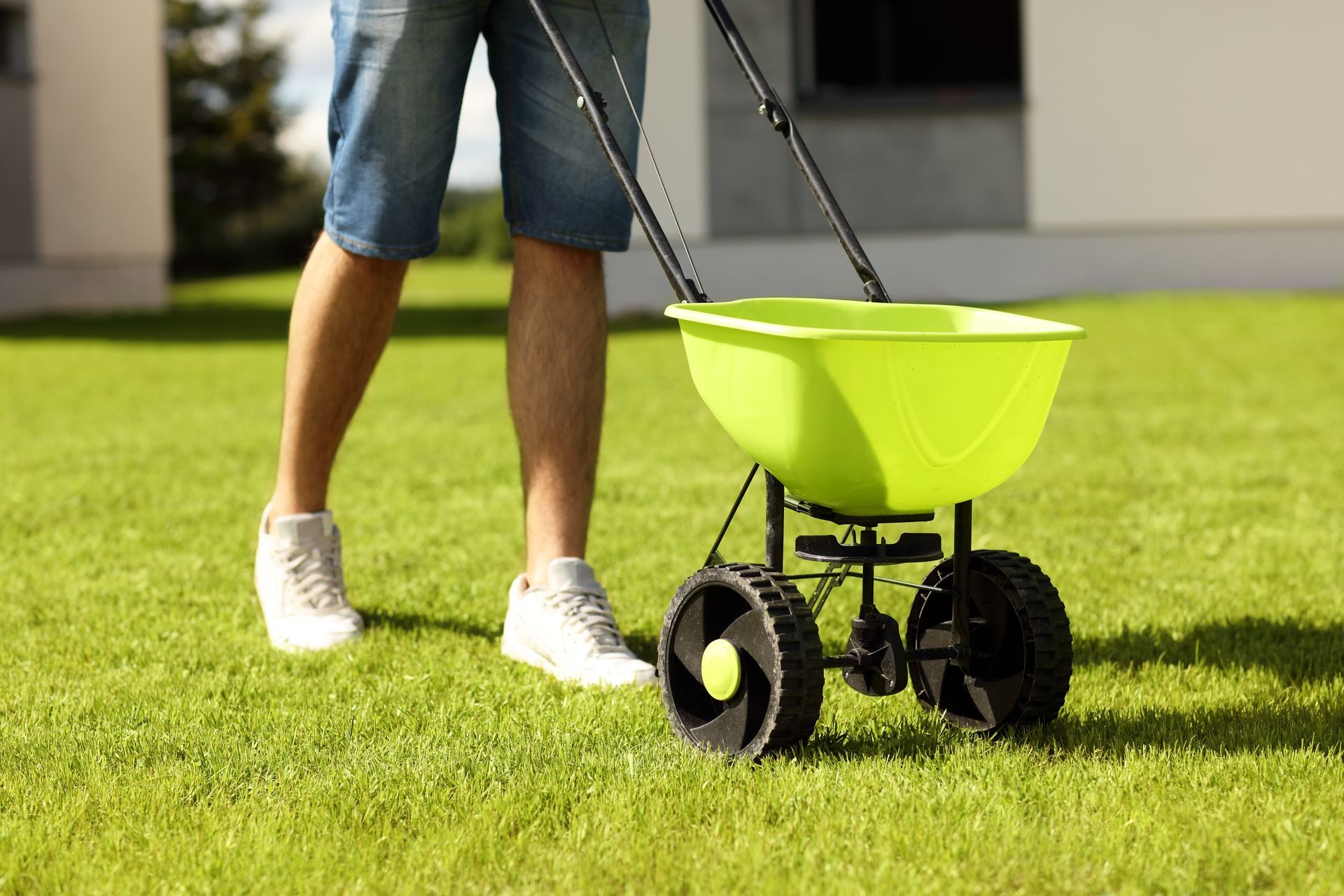
Core aeration may be recommended as part of a broader improvement plan and can be paired with overseeding when the property's conditions and timing support both services.
Turf Rehabilitation
Some lawns do not have one isolated problem.
A property may have thin turf, recurring weeds, compacted areas, bare spots, and poor growing conditions at the same time.
In that situation, turf rehabilitation may involve correcting several contributing issues rather than expecting one treatment or one round of seed to solve everything.
Complete Lawn Renovation
A more extensive lawn renovation or turf rehabilitation plan may be appropriate when large portions of desirable turf are gone, the lawn has become heavily overtaken by unwanted growth, or repeated small repairs have not produced meaningful improvement.
The decision should be based on the condition of the entire lawn, not simply how it looks during the hottest part of summer.
Does Your Lawn Need Spot Repair, Overseeding, or Full Renovation?
The amount of healthy turf that remains is one of the biggest factors in deciding how extensive the recovery plan needs to be.
Spot Repair May Be Enough When...
The damage is isolated, most of the lawn remains healthy, and the underlying cause can be corrected.
A few weak or bare areas do not necessarily mean the entire lawn needs to be rebuilt.
Overseeding May Be Appropriate When...
The lawn still has a good foundation of desirable turf but has become noticeably thin across larger areas.
Improving turf density may be more practical than starting over.
Turf Rehabilitation May Make Sense When...
Several conditions are preventing the lawn from improving.
A lawn with thinning grass, weed pressure, compaction, and bare areas may need a coordinated plan rather than simply more seed.
Full Renovation May Be the Better Option When...
Large portions of desirable turf have been lost or too little healthy grass remains for smaller repairs to create the improvement the homeowner is looking for.
Repair isolated damage when the lawn still has a healthy foundation. Rehabilitate the lawn when several problems are preventing recovery. Consider renovation when too little desirable turf remains for smaller repairs to be effective.
That is one reason diagnosing the lawn before choosing a service matters.
Why Waiting Until Fall Should Not Mean Waiting to Make a Plan
The best time to understand why a lawn failed is before you try to rebuild it.
Look at Why the Lawn Failed
Before deciding how to repair the grass, ask:
- Is the lawn receiving enough water?
- Is the water reaching all areas evenly?
- Is the grass being mowed too short?
- Are weeds taking over weak areas?
- Is there evidence of root or insect damage?
- Is compaction limiting growth?
- Does the same area struggle every year?
Those answers can reveal whether the property needs a relatively simple correction or a broader recovery plan.
Correct the Cause Before Rebuilding the Turf
New grass can struggle for the same reasons the original turf failed.
Do not seed into an unresolved problem and expect a different outcome. Do not assume aeration will fix every thin lawn. Do not begin rebuilding turf without first considering why the existing grass declined.
Why has grass had trouble growing here?
That is often a better question than simply asking how to grow new grass. The answer can lead to a much better long-term decision.
Plan Before the Recovery Window Arrives
You may not need to renovate the lawn in July, but July can be the right time to determine what should happen later.
Planning ahead gives homeowners around Springfield, Branson West, and other Southwest Missouri communities time to identify active problems, protect viable turf, adjust maintenance practices, and understand how much permanent damage has actually occurred.
What Does a Professional Lawn Recovery Plan Look Like?
A good lawn recovery plan starts with evaluation, not a predetermined service.
Step 1: Identify What Caused the Damage
Look at environmental stress, weeds, possible insect activity, watering, mowing practices, soil conditions, compaction, and the overall condition of the existing turf.
Step 2: Determine What Needs Attention Now
Active problems may need to be addressed before major repair work begins.
The goal is to prevent additional unnecessary damage without recommending treatments the property does not need.
Step 3: Determine What Can Recover
A heat-stressed lawn, a generally thin lawn, and a severely failed lawn should not receive the same plan.
Understanding how much viable turf remains helps determine whether the next step should be limited repair, overseeding, turf rehabilitation, or more extensive renovation.
Step 4: Build the Recovery Plan Around the Property
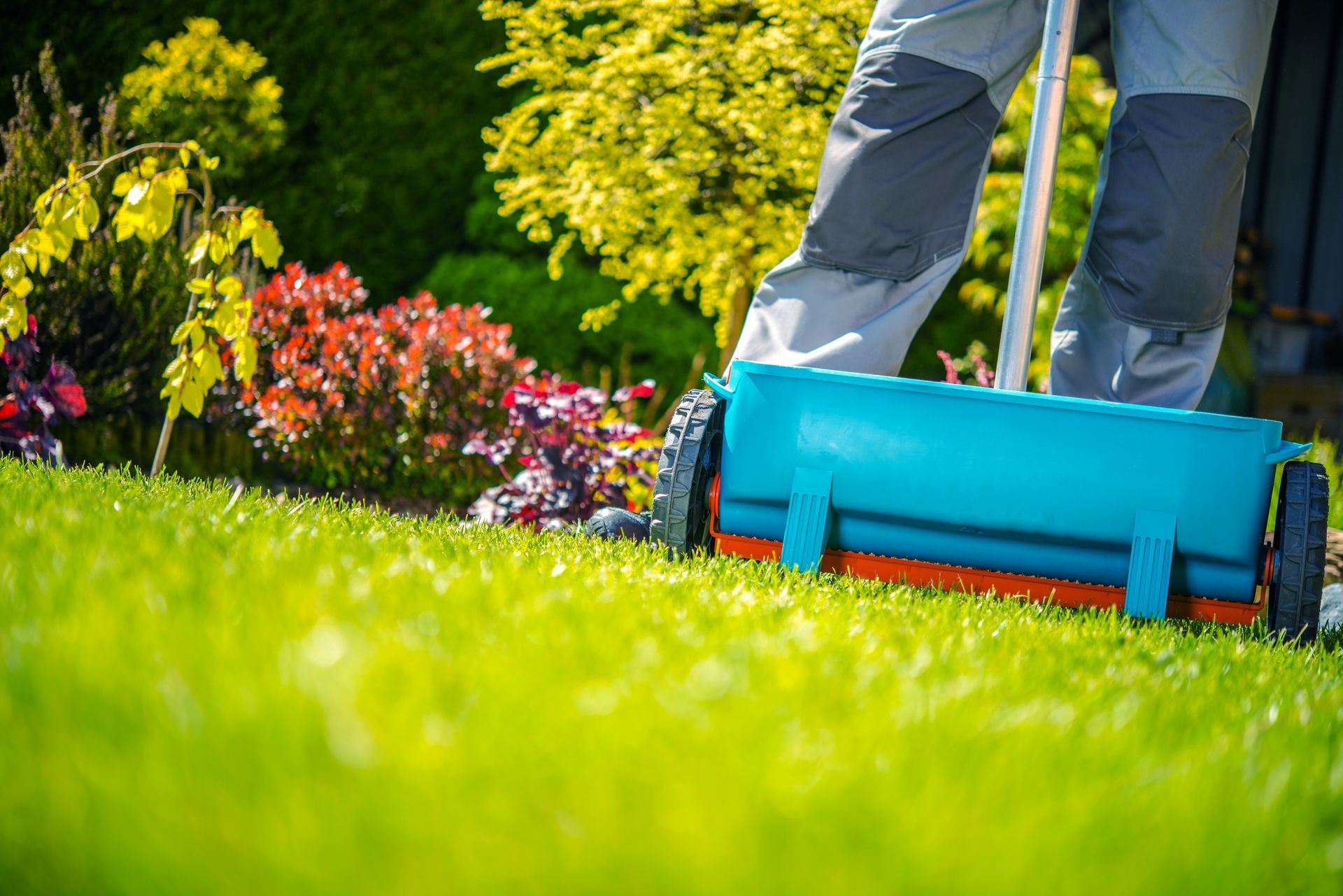
Depending on the lawn, the plan may involve professional lawn treatments, weed control, grub control, aeration and overseeding, or more comprehensive turf improvement.
AmeriLawn's application technicians are licensed through the Missouri Department of Agriculture, and the company's approach centers on professional application services, tailored recommendations, and long-term turf health.
Common Lawn Recovery Mistakes That Can Waste Time and Money
Seeding Without Considering Summer Stress
Getting seed to germinate is only the beginning.
Young grass still needs to establish enough roots to survive the conditions ahead. A large seeding project during severe heat can require intensive management and may not provide the establishment conditions available later in the season.
Assuming Every Brown Area Needs New Seed
Some grass is stressed. Some turf has been permanently lost.
Those situations should not automatically receive the same solution.
Adding Fertilizer Without Diagnosing the Problem
More fertilizer is not automatically the answer to a brown lawn.
If the underlying issue is irrigation, insect damage, compaction, or environmental stress, fertilization alone will not correct the cause. Product choice and application timing should also fit the condition of the lawn.
Overseeding Without Addressing the Growing Conditions
New grass needs an environment where it can establish.
If severe compaction, unresolved weed pressure, poor watering, or another major obstacle remains, the new turf may struggle for the same reasons the previous grass did.
Waiting Until Fall to Think About the Problem
Waiting for better repair conditions can make sense.
Waiting to understand the cause does not.
The strongest fall recovery plan begins with knowing what damaged the lawn and what needs to change before new turf is established.
What Should You Do With a Damaged Missouri Lawn Right Now?
If your lawn is struggling during summer, focus first on understanding and stabilizing the problem.
- Determine whether the turf is stressed or permanently damaged. Brown grass does not automatically mean dead grass.
- Correct obvious watering and mowing problems. Do not allow preventable stress to continue.
- Investigate unusual or rapidly expanding damage. Insect problems and other conditions can resemble ordinary summer stress.
- Address confirmed weed or pest issues appropriately. The treatment should fit the problem and the future recovery plan.
- Evaluate how much healthy turf remains. This helps distinguish between repair, overseeding, rehabilitation, and renovation.
- Plan larger recovery work before the ideal window arrives. Timing matters, but preparation matters too.
Wait for the right conditions to complete major lawn repairs, but do not wait until fall to understand why your lawn is damaged.
When Should You Have Your Lawn Professionally Evaluated?
Consider a professional lawn evaluation when the cause of the damage is unclear, large areas are thinning or bare, the same sections repeatedly fail, weeds are quickly taking over weak turf, or you are unsure whether the lawn needs overseeding or more extensive renovation.
An evaluation can also be useful when several problems seem to be happening at once.
AmeriLawn provides lawn treatment and turf-improvement services throughout Springfield, Nixa, Ozark, Republic, Branson, and surrounding Southwest Missouri communities. Its services include fertilization, weed control, grub control, aeration and overseeding, and broader turf improvement solutions.
Getting a professional opinion does not mean every damaged lawn needs a complete renovation.
Sometimes knowing what you do not need is just as valuable as knowing what should happen next.
Frequently Asked Questions
Is July Too Late to Repair a Damaged Lawn in Missouri?
July is not too late to address active problems or begin planning the lawn's recovery. Major cool-season overseeding and renovation, however, may be better timed for more favorable establishment conditions later in the season.
Should I Seed Bare Spots in My Lawn During the Summer?
Small repairs may be possible depending on the situation, but establishing larger areas of cool-season grass during intense summer conditions can be difficult. Consider the extent of the damage, turf type, available irrigation, current weather, and why the original grass was lost before deciding when to seed.
How Can I Tell Whether My Brown Grass Is Dead or Dormant?
Look at the damage pattern, the condition of the crowns and roots, and whether the grass begins recovering as conditions improve. Bare areas or turf with significant root loss are more likely to need repair. When the cause is unclear, an evaluation can help avoid unnecessary renovation.
When Is the Best Time to Aerate and Overseed a Lawn in Missouri?
For many cool-season Missouri lawns, late summer into fall provides a more favorable opportunity for aeration and overseeding than peak summer heat. The exact timing should depend on turf type, weather, soil conditions, and the condition of the lawn.
How Do I Know Whether My Lawn Needs Overseeding or Complete Renovation?
Overseeding may be appropriate when substantial healthy turf remains but the lawn lacks density. More extensive rehabilitation or renovation may make more sense when large areas have failed or several underlying conditions are preventing the existing lawn from recovering.
Build the Right Recovery Plan Before Fall Arrives
A damaged summer lawn does not always need immediate reseeding, but it should not simply be ignored until cooler weather arrives.
What you learn now about weeds, insects, watering, compaction, maintenance practices, and permanent turf loss can determine what type of fall recovery strategy actually makes sense.
AmeriLawn focuses on customized lawn treatment and turf-improvement solutions rather than one-size-fits-all recommendations. If you are unsure whether your lawn needs attention now, aeration and overseeding later, or a more complete rehabilitation or renovation plan, you can request a free estimate and have the property evaluated based on its current condition and seasonal needs.