Aeration, Overseeding, or Lawn Renovation: What Does Your Springfield Lawn Actually Need?
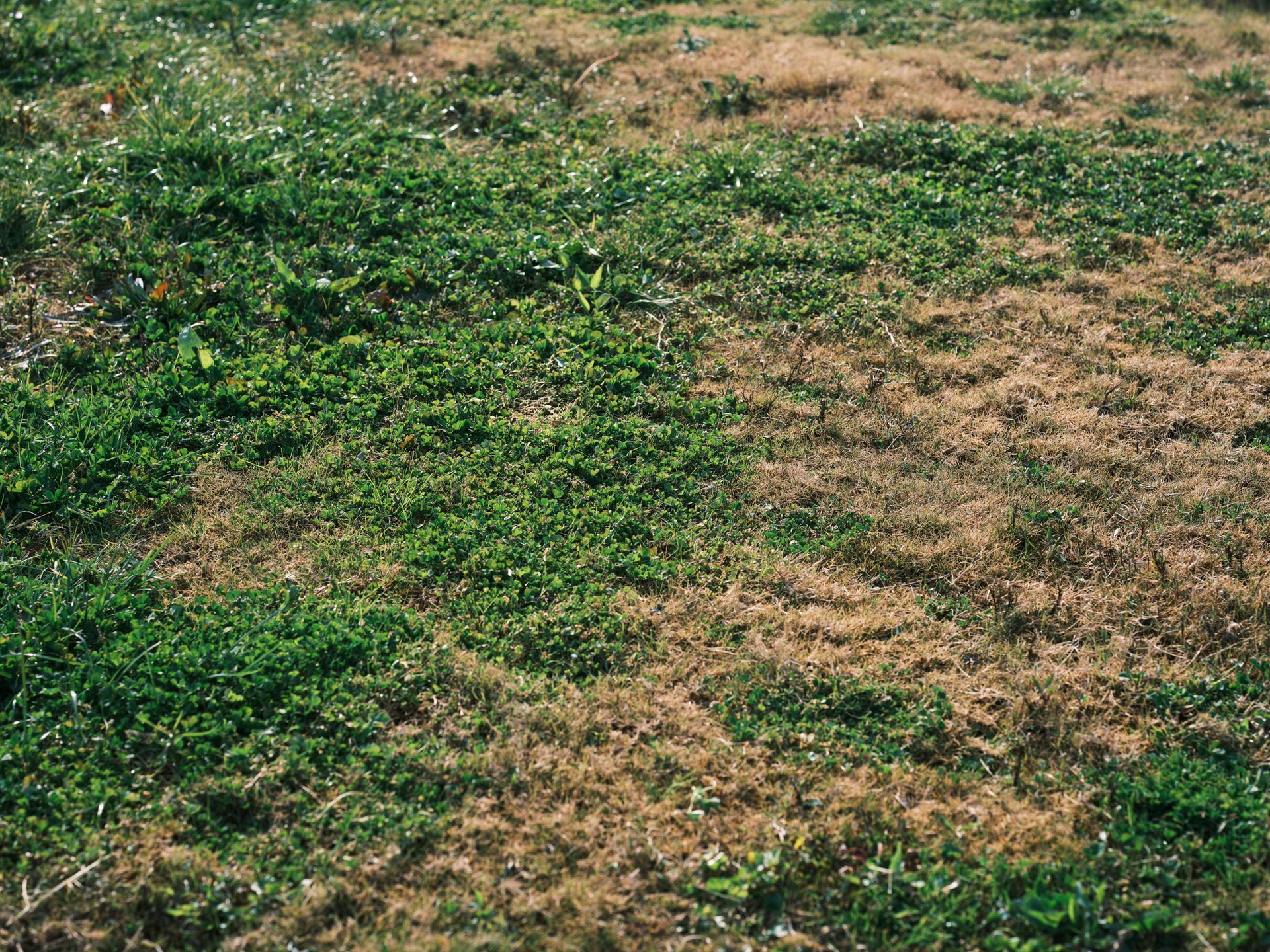
A thin, patchy lawn does not automatically need more grass seed. Before choosing aeration, overseeding, or lawn renovation, the better question is: What is keeping the existing turf from growing well?
That distinction matters for lawns throughout Springfield and Southwest Missouri. Soil compaction, recurring weeds, summer stress, insects, poor establishment, and widespread turf loss can create similar-looking symptoms but require different solutions.
At AmeriLawn, one of the most common situations we see is a homeowner who knows the lawn needs help but isn't sure what service to request. You shouldn't have to diagnose the lawn yourself. Understanding what each turf-improvement option is designed to address, however, can help you make a more informed decision.
Start With Why the Lawn Is Struggling
Choosing between aeration, overseeding, and lawn renovation starts with identifying the conditions behind the problem, not simply looking at how green or brown the grass appears.
A lawn can become thin or patchy for several reasons, including:
- compacted soil;
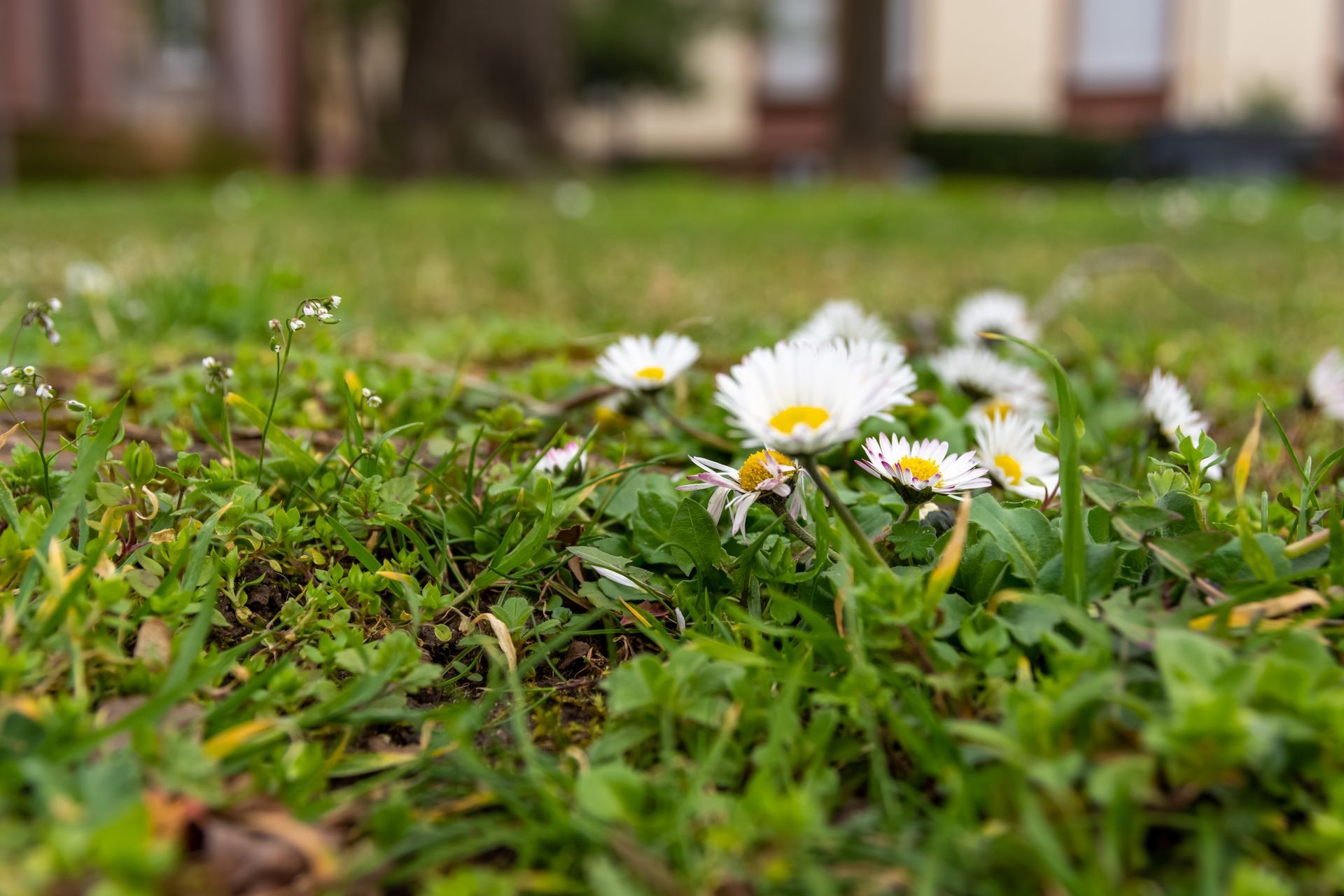
- recurring weed pressure;
- summer heat or drought stress;
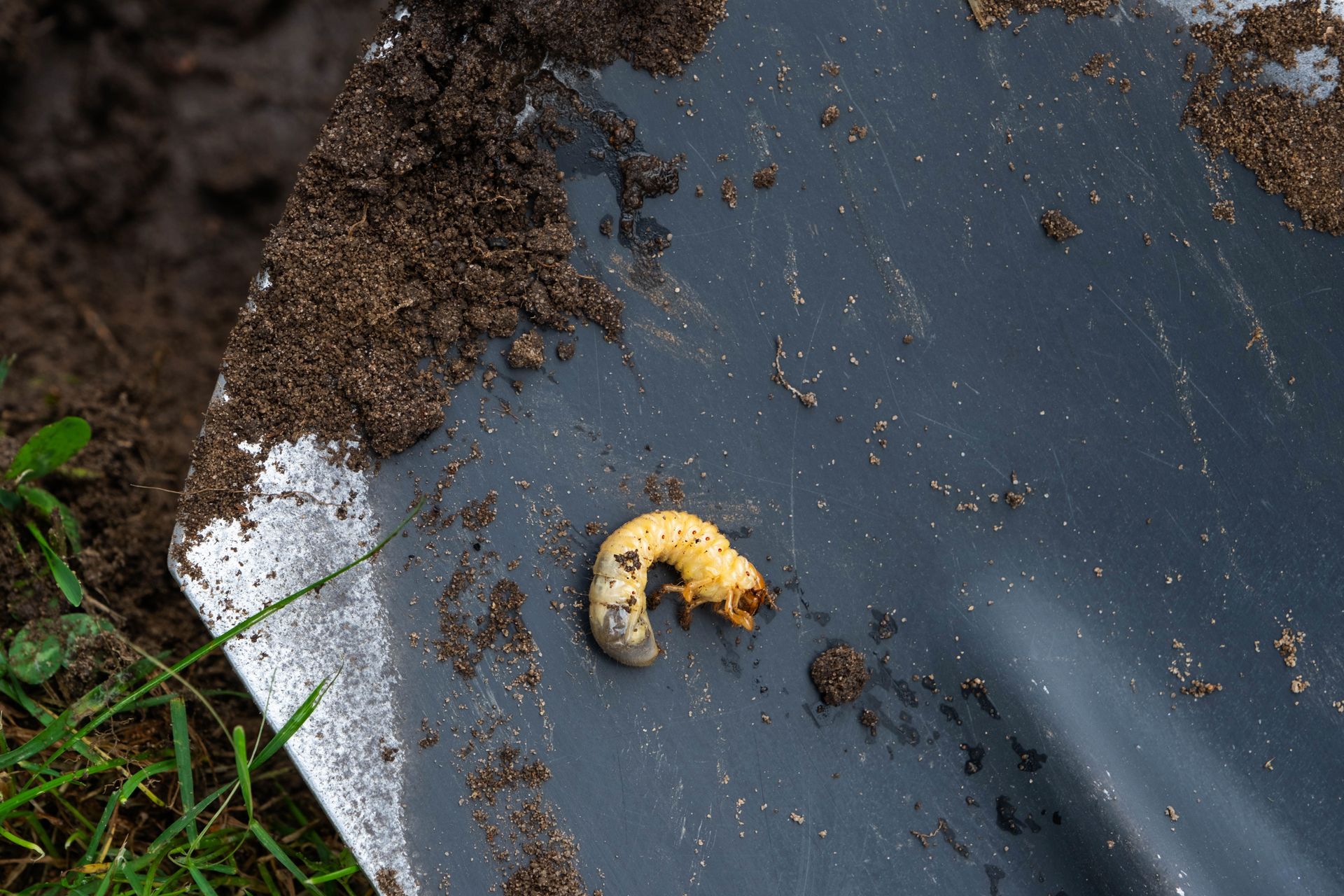
- grub or other insect damage;
- inconsistent watering;
- heavy traffic;
- poor previous seed establishment; or
- significant loss of desirable turf.
Sometimes several conditions are happening at once.
This is why repeatedly adding fertilizer or seed does not necessarily produce the improvement a homeowner expects. If the growing conditions haven't changed, the same problem can return.
Our custom lawn treatment programs are built around the actual condition of the lawn rather than assuming every Springfield property needs the same applications or improvement plan.
Aeration Addresses the Growing Environment
Aeration is primarily used to address soil compaction and improve conditions within the root zone. It is not the same thing as adding new grass to a lawn.
Compacted soil can restrict the movement of water, air, and nutrients and make it more difficult for turf roots to develop. Heavy foot traffic, repeated equipment traffic, and naturally dense soil conditions can contribute to the problem.
Possible signs that compaction deserves attention include hard soil, thinning in heavily used areas, poor water infiltration, or turf that has difficulty maintaining dense growth.
Aeration creates openings in the soil, which can improve the environment in which existing turf and any new seed need to grow.
But aeration cannot replace grass that is no longer there.
If the lawn has adequate existing turf but poor soil conditions are limiting its performance, aeration may be part of the solution. If large portions of desirable turf are missing, the lawn may need additional improvement.
When Overseeding Makes Sense
Overseeding is intended to improve turf density by introducing new grass seed into an existing lawn. It tends to make the most sense when desirable turf remains but coverage has become thin or inconsistent.
That is different from trying to rebuild a severely deteriorated lawn.
A Springfield homeowner might consider overseeding when the lawn has become thinner after summer, has scattered weak areas, or needs improved turf density but still contains enough desirable grass to work with.
Before simply adding seed, ask:
- Is there healthy existing turf throughout most of the area?
- Are weeds occupying much of the open space?
- Is the soil compacted?
- Did insects or another problem cause the thinning?
- Has overseeding already been attempted without success?
The answers help explain whether low turf density is the main problem or only a symptom of something deeper.
Timing also matters once overseeding is determined to be appropriate. Our companion guide, When Should You Aerate and Overseed Your Lawn in Springfield, MO? A Fall Timing Guide, covers fall timing, preparation, weed-control coordination, watering, and aftercare in more detail.
Can Aeration and Overseeding Work Together?
Yes. Aeration and overseeding can complement each other when a lawn has both compacted soil and insufficient turf density. Aeration improves the growing environment while overseeding introduces additional grass.
The key is whether the lawn actually has both problems.
Many homeowners are surprised to learn that aeration and overseeding aren't automatically a package every lawn needs. If compaction isn't an issue, aeration may not be the priority. If the lawn has widespread turf loss or more serious underlying problems, overseeding alone may not go far enough.
One recommendation we frequently make is to match the service to the condition rather than starting with a predetermined treatment.
That approach also helps set more realistic expectations about what each service can accomplish.
When a Lawn Needs More Than New Seed
A severely thin, damaged, neglected, or struggling lawn may need turf rehabilitation or lawn renovation rather than another round of overseeding.
We use these services for more comprehensive lawn-improvement needs. The goal is to address the combination of conditions preventing healthier turf rather than focusing only on adding seed.
Warning signs that a broader evaluation may be worthwhile include:
- large or repeatedly returning bare areas;
- widespread weak turf;
- significant weed pressure alongside thinning grass;
- compacted areas that continue to struggle;
- previous overseeding that did not establish well; and
- a lawn that continues declining despite routine treatments.
This doesn't mean every unattractive lawn needs complete renovation. In our experience, determining how much desirable turf remains and what caused the decline is more useful than judging the lawn on appearance alone.
If you're seeing several of these problems together, our guide to what lawn renovation actually fixes explains why some lawns need more than routine fertilization or another quick treatment.
Why Previous Overseeding May Have Failed
If you've overseeded before and the lawn became thin again, the seed itself may not have been the underlying problem.
New grass still has to establish in the same environment that affected the previous turf.
Common factors worth investigating include soil compaction, poor seed-to-soil contact, weed competition, inconsistent moisture during establishment, summer stress, insects, and other site conditions.
Timing can also influence establishment. A lawn seeded too late may have less time to develop before winter, while spring-seeded cool-season turf has to establish before Missouri's summer conditions arrive.
This is why repeating the same overseeding process without investigating the earlier failure can become frustrating.
Rather than asking, "Should we put down more seed?" start with a different question: "Why didn't the grass establish or survive the last time?"
That question can lead to a much better lawn-improvement plan.
Weeds Can Be Part of a Bigger Turf Problem
A lawn full of weeds may need weed control, but recurring weeds can also signal weak turf density. Open areas give unwanted plants more room to establish and compete with desirable grass.
This creates an important relationship between weed control and turf improvement.
Killing visible weeds does not automatically rebuild missing grass. At the same time, putting new seed into a heavily weed-dominated lawn without considering weed pressure may create unnecessary competition for young turf.
Treatment history matters too. Herbicide and seeding schedules sometimes need to be coordinated because certain applications can affect turf establishment.
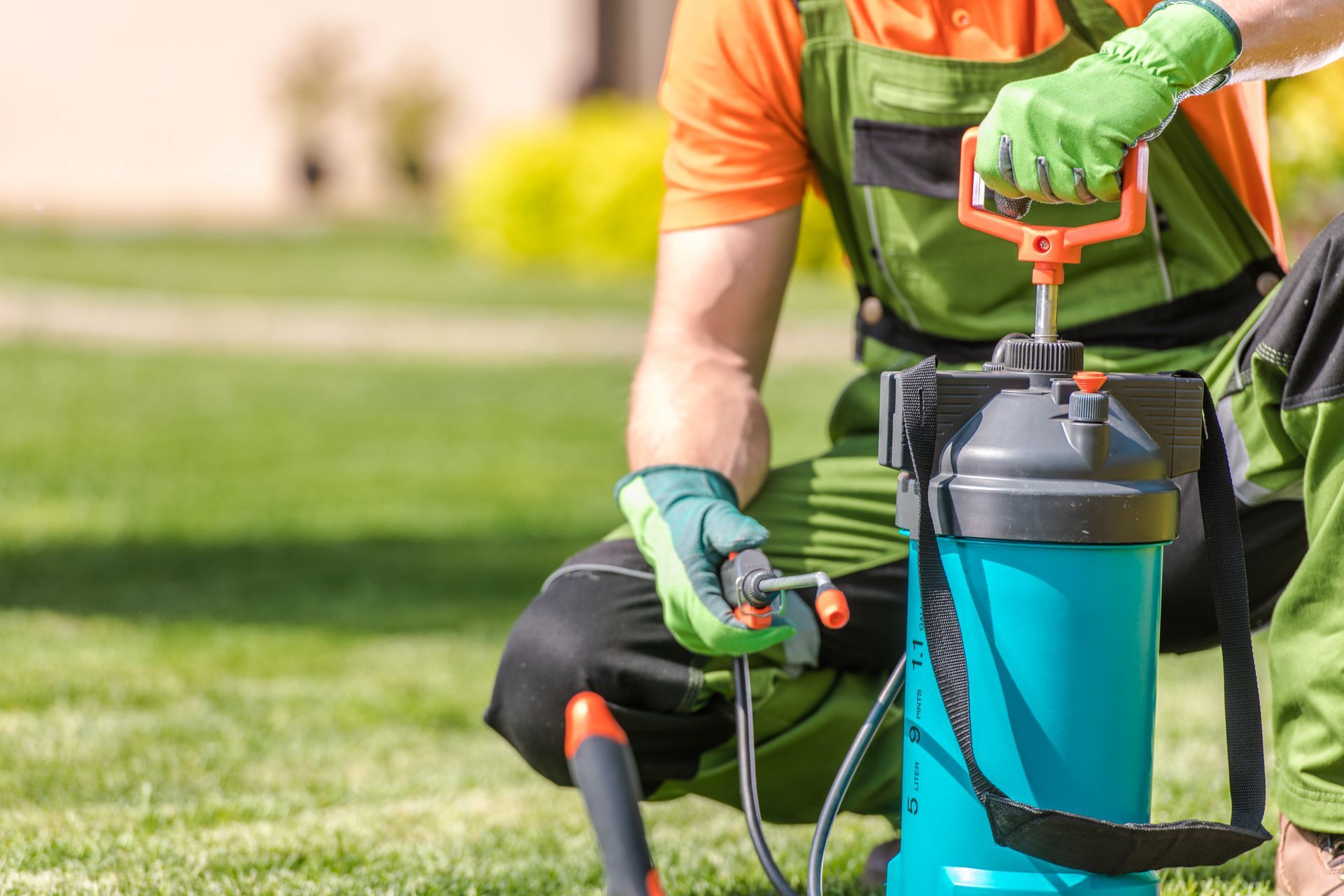
Our application technicians are licensed through the Missouri Department of Agriculture and trained in herbicide application, handling, storage, and disposal. That application experience supports a more coordinated approach when weed control and turf improvement need to be considered together.
How Do You Decide What Your Lawn Needs?
Start with the condition of the existing turf, the soil, and the likely cause of the decline. The goal is to determine what is limiting improvement before choosing the service.
A simple way to understand the differences is:
| Lawn condition | Option that may deserve consideration |
|---|---|
| Existing turf with significant soil compaction | Aeration |
| Desirable turf remains but coverage is thin | Overseeding |
| Compacted soil plus thin turf | Aeration and overseeding |
| Multiple recurring problems or significant deterioration | Turf rehabilitation |
| Severe thinning, damage, or neglected turf | Lawn renovation |
These are starting points, not diagnoses.
Two lawns that look equally thin from the street can have very different problems underneath. One may primarily need improved growing conditions. Another may have extensive turf loss and weed pressure that calls for a more comprehensive plan.
That is why we begin with what you're seeing and the condition of the property. We provide lawn treatment, aeration and overseeding, turf rehabilitation, and lawn renovation throughout Springfield and nearby communities such as Nixa, Ozark, Republic, and Rogersville.
You don't need to choose the correct service before contacting us.
Frequently Asked Questions
Can aeration bring a dead lawn back?
No. Aeration does not replace dead or missing turf. It can improve conditions in compacted soil, but a lawn with substantial turf loss may also need overseeding, rehabilitation, renovation, or another corrective approach.
Can I overseed a lawn that has a lot of weeds?
It depends on the extent of the weed pressure and previous or planned herbicide applications. Weed competition and treatment timing should be considered before establishing new grass.
Do I need to remove my existing grass before overseeding?
Usually not when overseeding an existing lawn with enough desirable turf remaining. More extensive turf removal or preparation may become relevant when the lawn is severely deteriorated and renovation is being considered.
How do I know whether my lawn is dormant or dead?
Dormant and dead turf can look similar, so appearance alone may not provide the answer. Season, turf type, weather, root condition, and whether the grass resumes growth under favorable conditions can help distinguish temporary stress from actual turf loss.
Can only part of a lawn be rehabilitated or renovated?
Yes. Some lawn problems are localized, so the entire property does not automatically need the same level of work. The affected area and underlying cause should be evaluated before determining the scope of improvement.
How long does it take to improve a badly neglected lawn?
There is no reliable one-size-fits-all timeline. The starting condition, underlying problems, treatments required, weather, watering, and ongoing maintenance all affect how quickly a lawn improves. Be cautious of promises of an overnight transformation.
Start With the Problem, Not the Service
A thin or damaged lawn doesn't automatically need more fertilizer, more seed, or a complete renovation. The right starting point depends on why the turf is struggling and how much healthy grass remains.
That is especially important in Southwest Missouri, where compaction, weeds, summer stress, insects, and establishment problems can overlap.
If you're looking at a struggling lawn in Springfield, Nixa, Ozark, Republic, Rogersville, or a nearby community and aren't sure whether aeration, overseeding, lawn treatment, turf rehabilitation, or lawn renovation makes sense, we can help evaluate the property and recommend a practical next step.
Request a free lawn care estimate and tell us what you're seeing. You don't have to diagnose the lawn or choose the service before you contact us.