Signs Your Lawn Has Grubs and What to Do About It in Missouri
Why Missouri Lawns Suddenly Decline in Late Summer
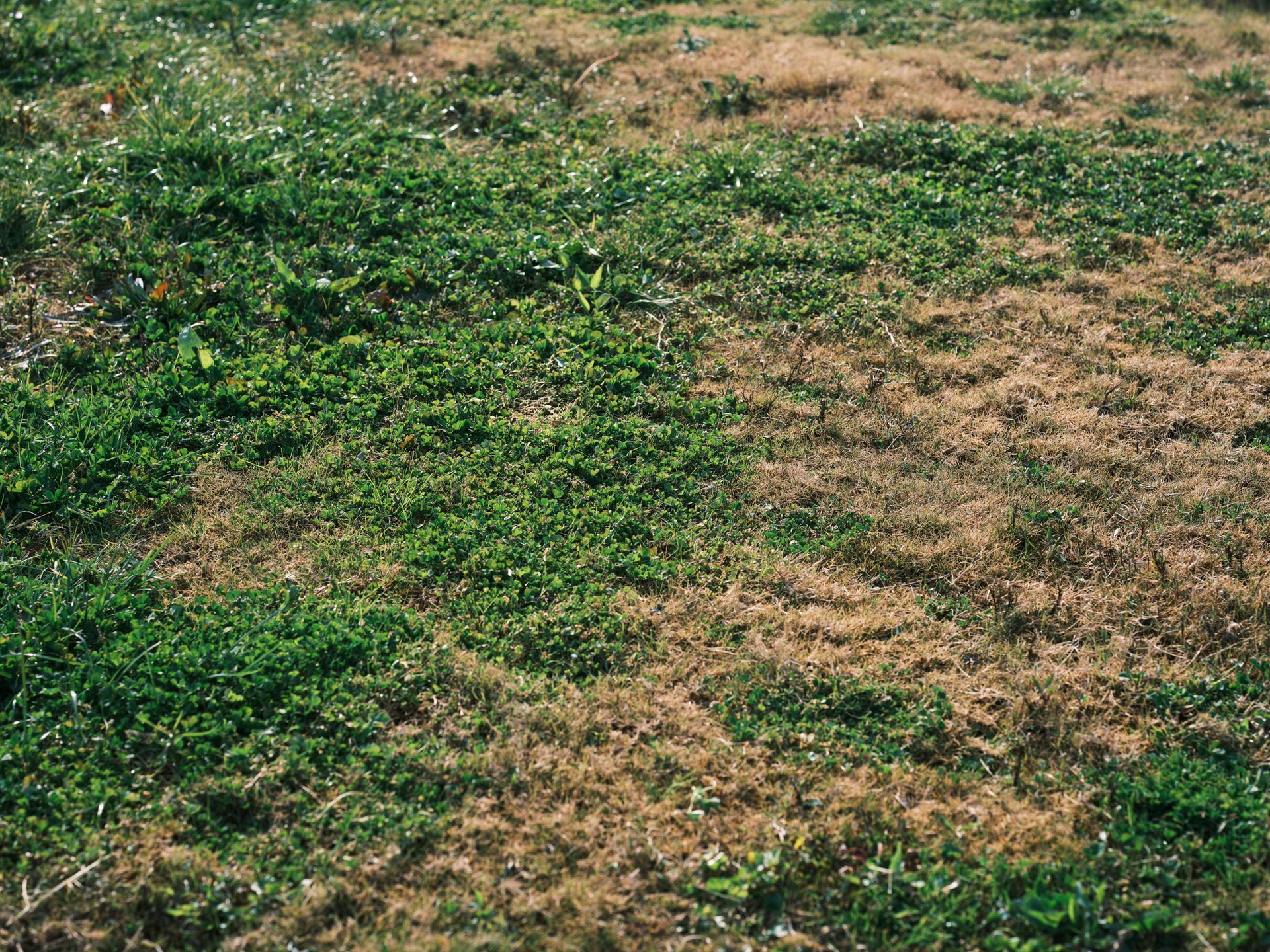
If your lawn is turning brown, thinning out, or not responding no matter how much you water it, there’s a good chance the problem isn’t on the surface.
It’s underneath.
Grubs are one of the most common causes of lawn failure across Missouri, especially as the season moves toward late summer. We see it every year. A lawn looks healthy in early June, then by August it starts breaking down fast.
At AmeriLawn, we can usually confirm grub activity within minutes of inspecting a lawn. The signs are consistent, and once you know what to look for, they’re hard to miss.
This guide will show you exactly how to identify grub damage, when it happens, and what actually works to fix it before it gets worse.
On This Page
- Quick answer: how to tell if you have grubs
- What are lawn grubs and why they’re a problem in Missouri
- Common signs your lawn has grubs
- When grub damage happens in Missouri
- How to check for grubs in your lawn
- What causes grub infestations
- What to do immediately if you have grubs
- How professional grub control works
- How to prevent grubs from coming back
- Grub damage vs other lawn problems
- When to call for grub control in Missouri
- Frequently asked questions
Quick Answer: How to Tell If You Have Grubs
- Brown patches that don’t improve with watering
- Grass that pulls up easily like loose carpet
- Soft or spongy areas when walking
- Increased digging from animals
- White, C-shaped larvae under the soil
If you’re seeing more than a couple of these at the same time, there’s a strong chance grubs are already active.
What Are Lawn Grubs (And Why They’re a Problem in Missouri)
Grubs are the larvae of beetles like Japanese beetles and June bugs. They live just below the soil and feed on the roots of your grass.
Once the roots are damaged, the lawn loses its ability to take in water and nutrients.
According to the University of Missouri Extension, grub populations can increase quickly in warm, well-maintained lawns, which is why they’re so common in this region.
In parts of Springfield where lawns are irrigated regularly, and in areas like Ozark where soil holds moisture longer through summer, we often see ideal conditions for grub development.
Common Signs Your Lawn Has Grubs
Brown patches that don’t recover
Even after watering, these areas continue to decline.
The “carpet test”
If the grass lifts easily, the roots are gone.
Spongy or uneven ground
This is one of the easiest signs to feel before you even see damage.
Animal digging
In places like Willard and Strafford, it’s common to see raccoons or birds digging when grubs are active.
Visible larvae
Pull back the turf and you’ll usually find them within the top few inches.
When Grub Damage Happens in Missouri (Timing Matters)
Late spring
Beetles begin laying eggs.
Mid to late summer
Grubs hatch and begin feeding.
Late summer into early fall
This is when the most damage shows up.
In Republic, this is typically when homeowners start noticing sudden lawn decline that doesn’t match watering or weather patterns. Similar timing shows up in Rogersville properties where lawns hold moisture longer into the season.
How to Check for Grubs in Your Lawn
You can confirm grub activity quickly.
- Pull back a section of turf
- Look 1–3 inches below the surface
5–10 grubs per square foot is enough to cause damage. If you’re seeing that level, it’s a treatment issue.
What Causes Grub Infestations
Grub problems tend to repeat without intervention.
- No preventative plan
- Healthy lawns attract activity
- Unresolved previous infestations
Even well-maintained lawns in Nixa or Ozark can become targets for egg-laying beetles.
What to Do Immediately If You Have Grubs
- Confirm the problem
- Count the grubs
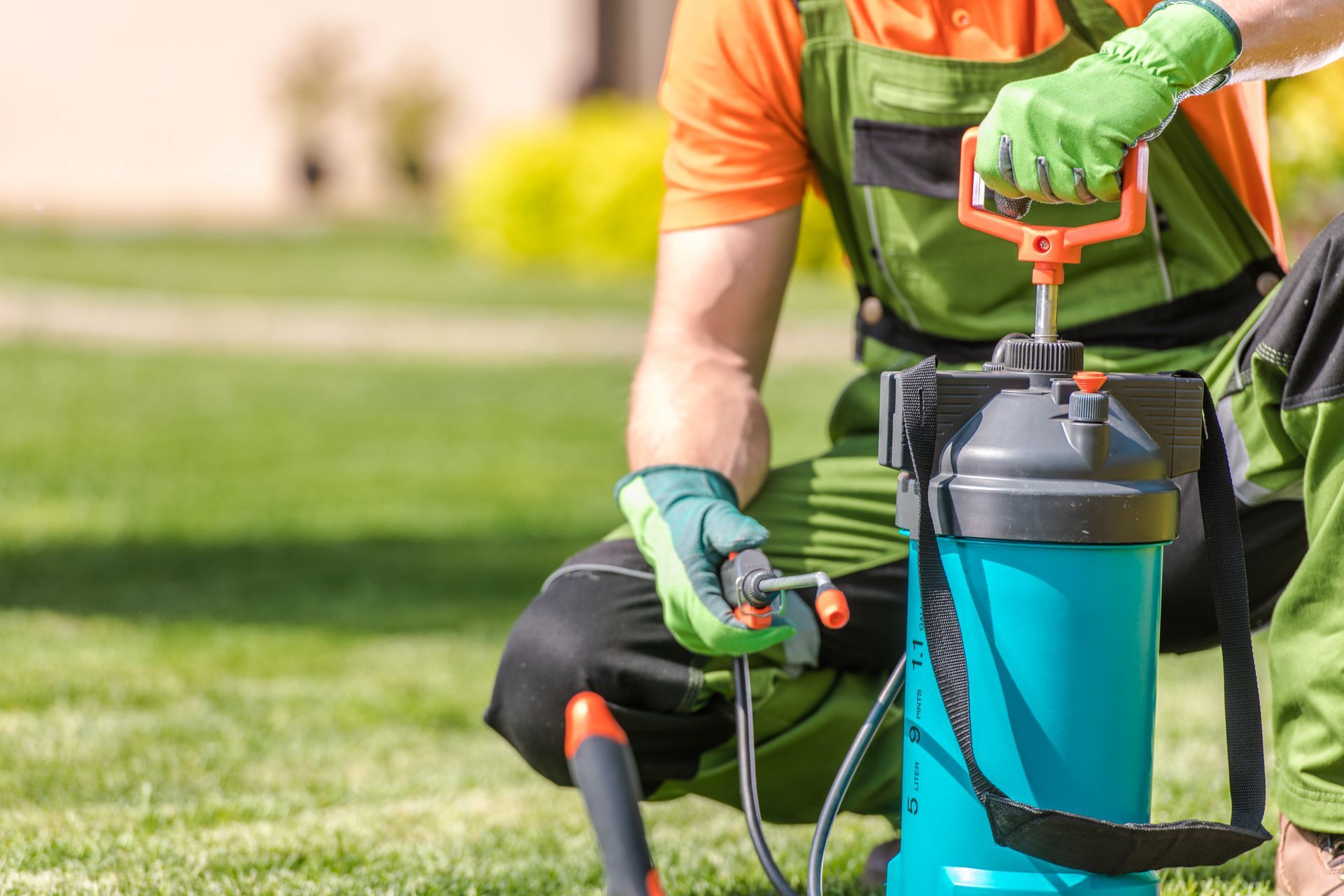
- Apply the correct treatment
- Water it in
- Plan for recovery
The EPA emphasizes that proper application and watering are critical.
How Professional Grub Control Works
Grub control works best as part of a full treatment plan.
AmeriLawn includes grub management within its lawn treatment services, ensuring timing and application are aligned with Missouri conditions.
- Preventative treatments
- Curative treatments
- Proper timing
How to Prevent Grubs From Coming Back
- Seasonal applications
- Strong root development
- Ongoing monitoring
Long-term lawn care programs help prevent repeat infestations.
Grub Damage vs Other Lawn Problems
- Drought improves with water
- Fungus affects blades
- Grubs destroy roots
When to Call for Grub Control in Missouri
If damage is spreading, don’t wait.
In parts of Branson, we’ve seen lawns require full renovation because treatment came too late.
Frequently Asked Questions
What do lawn grubs look like?
White, C-shaped larvae under the soil.
Will my lawn recover?
Yes, if treated early. Severe damage may require reseeding.
When should treatment happen?
Early summer for prevention, late summer for active issues.
How to Stop Grub Damage Before It Gets Worse
Grub damage doesn’t happen slowly. It happens fast once it starts.
If you catch it early, treatment is straightforward. If you wait, it becomes a much bigger project.
At AmeriLawn, we help homeowners across Missouri stop grub problems at the source with customized treatment plans.