Why Some Lawns Improve Every Year While Others Stay Stuck
Overview:
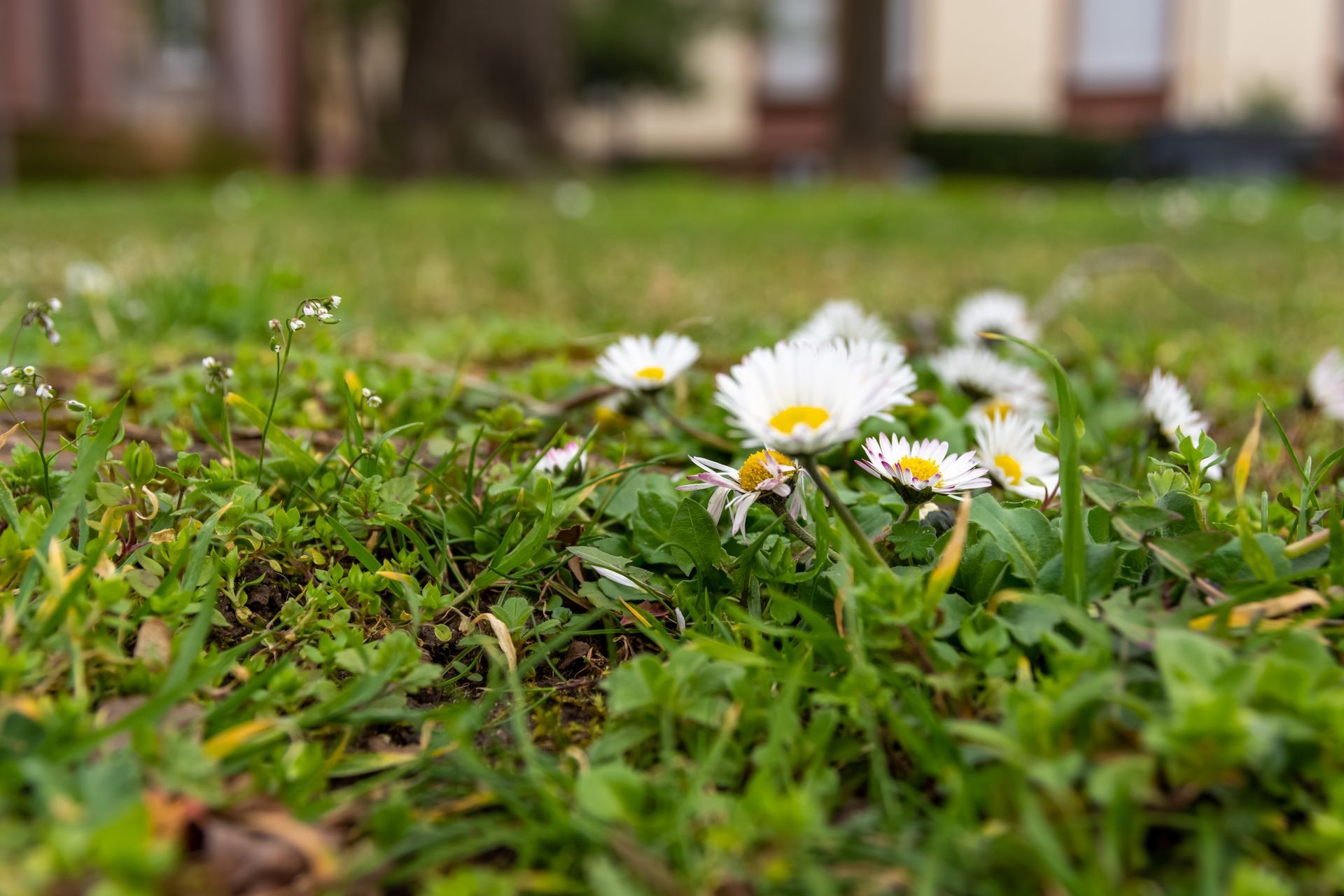
Many homeowners across Nixa, Ozark, Republic, Willard, Rogersville, and Battlefield invest in their lawns year after year, yet the results never seem to move forward. Weeds return, thin areas persist, and progress feels temporary. Meanwhile, other lawns quietly improve each season with fewer issues and stronger turf.
The difference is not luck, grass type, or how often the lawn is maintained. It comes down to whether the lawn is being managed for long-term health or treated with short-term fixes.
The pattern behind improving lawns
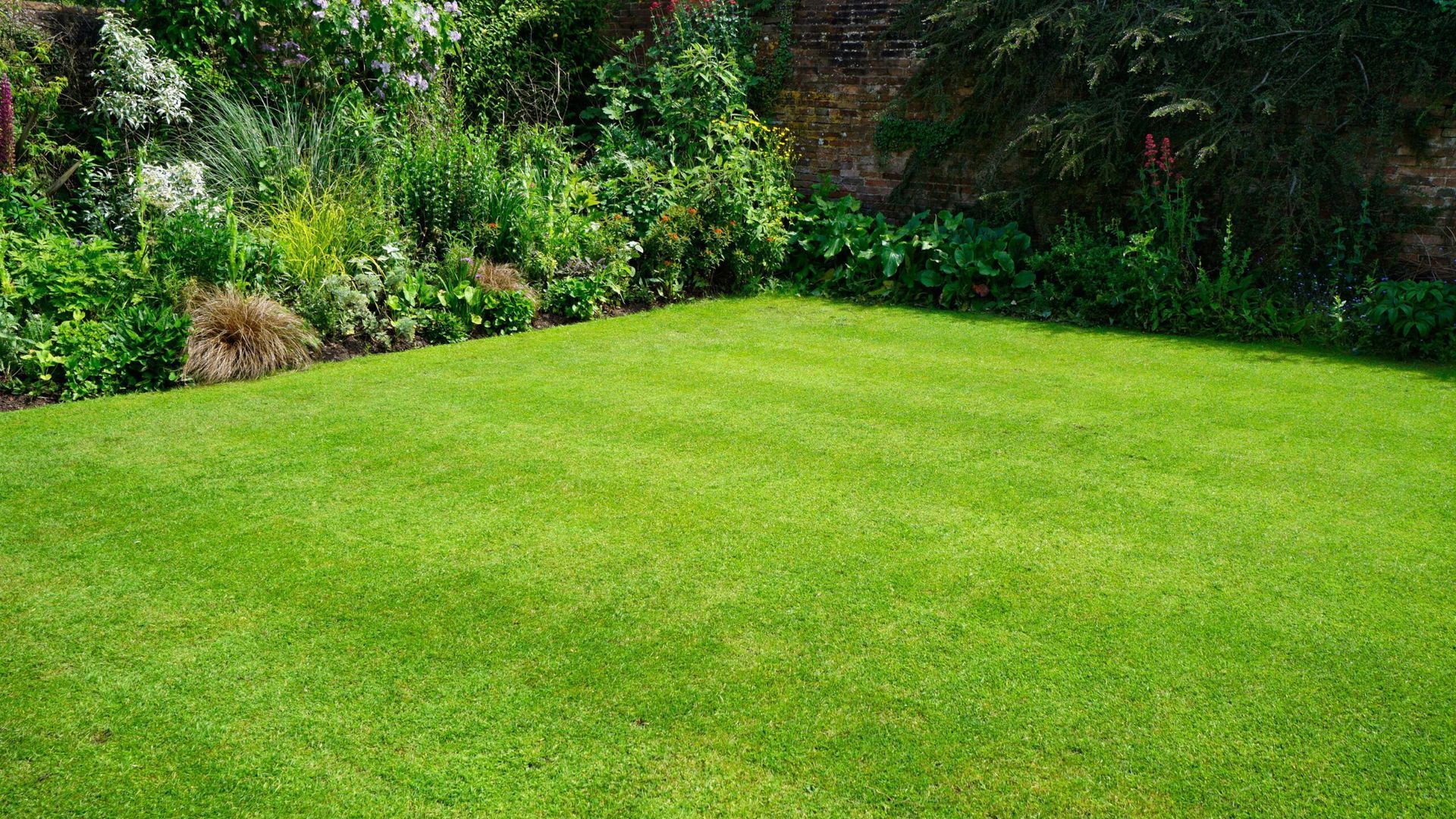
When lawns improve year over year, it is rarely because of a single treatment or product. Instead, improvement follows a clear pattern: problems are addressed before they become visible, and progress is built gradually.
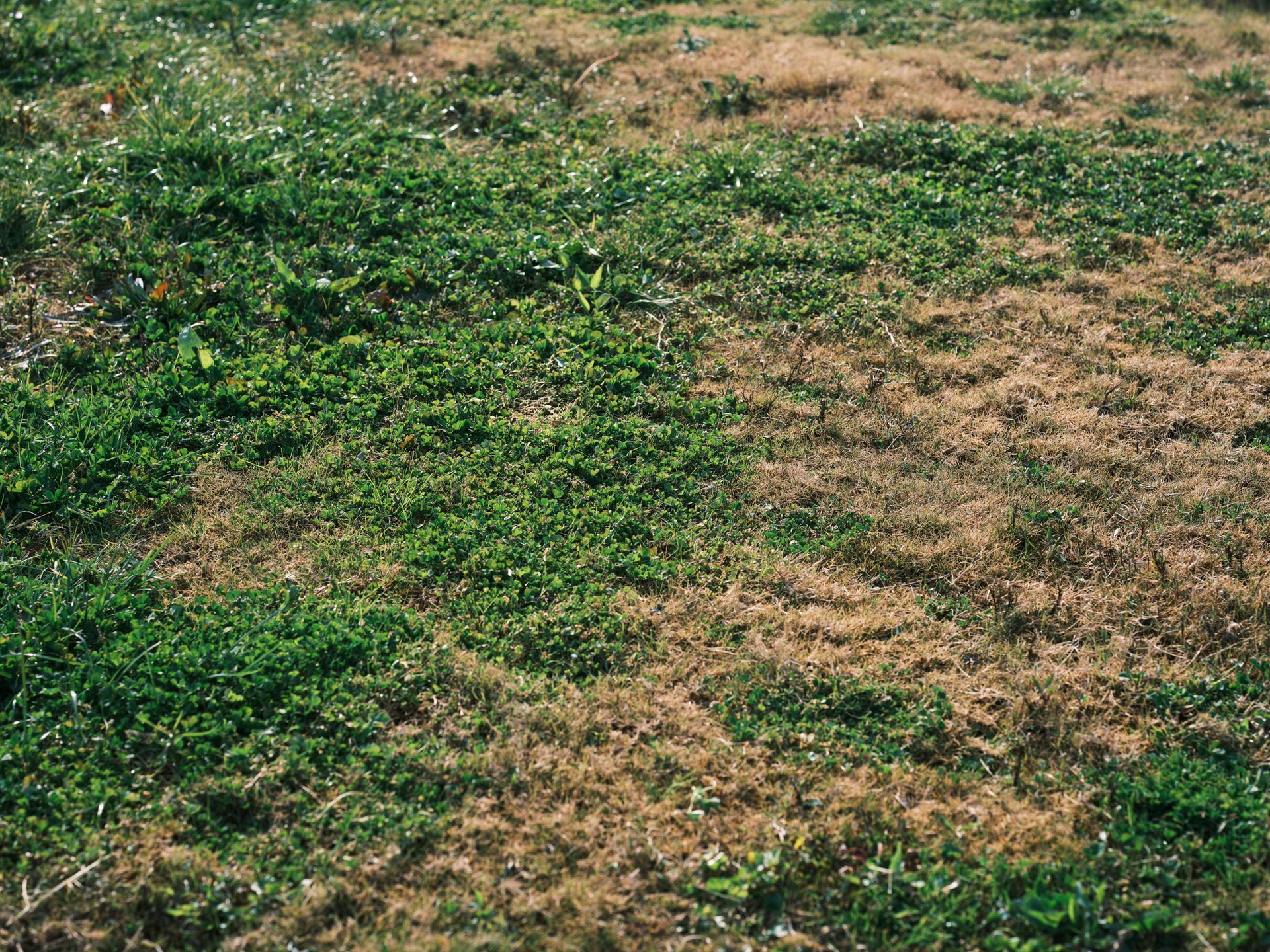
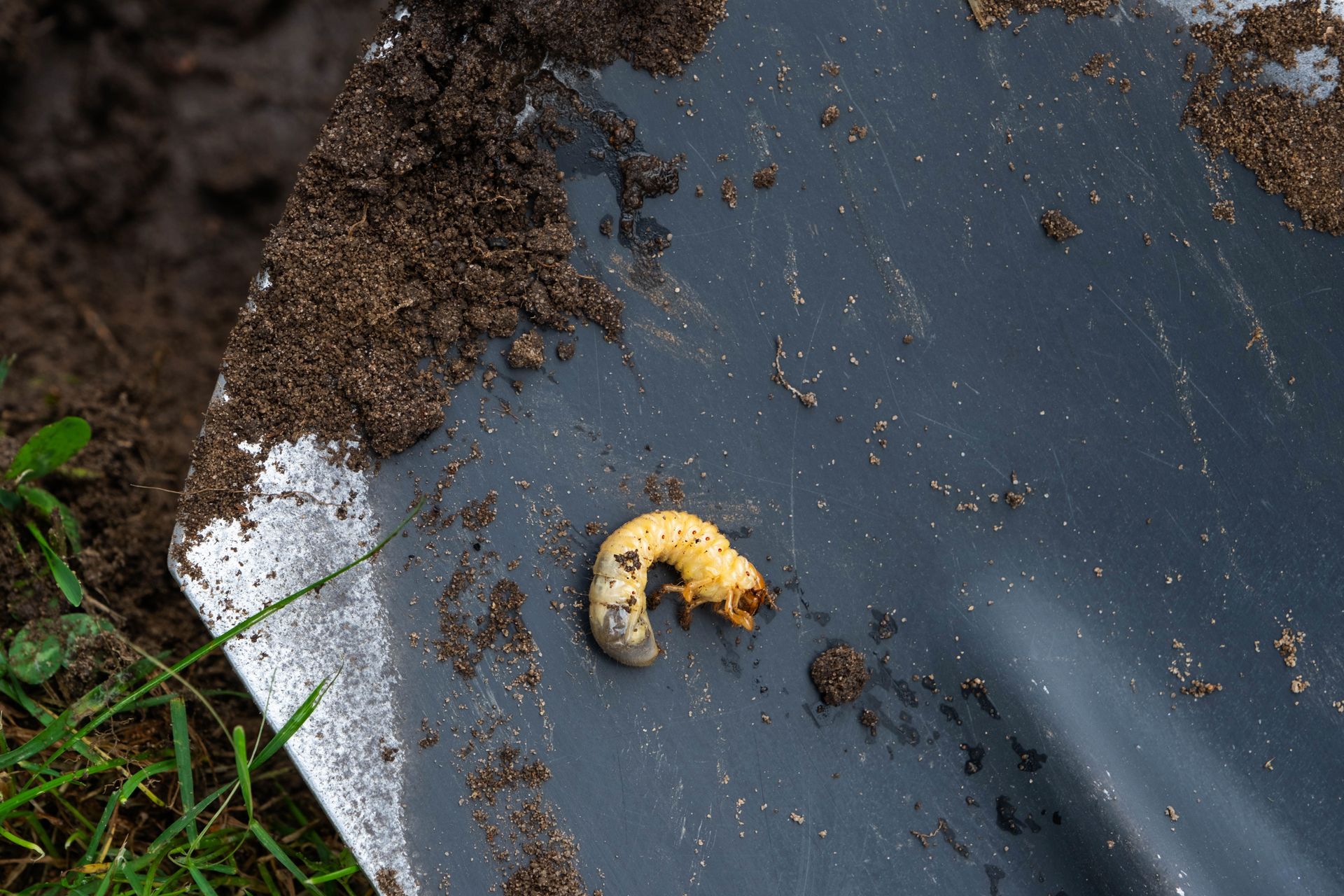
Lawns that stay stuck often rely on reactionary care. Treatments are applied only after weeds spread or turf weakens. That approach may create short-term improvement, but it does not build resilience.
Homeowners throughout Nixa, Ozark, and Republic often experience the same frustration because lawn issues reset each season when long-term planning is missing.
Why consistency matters more than intensity
One of the most common misconceptions in residential lawn care is that stronger or more frequent treatments will fix ongoing problems. In reality, inconsistent care causes setbacks that compound over time.
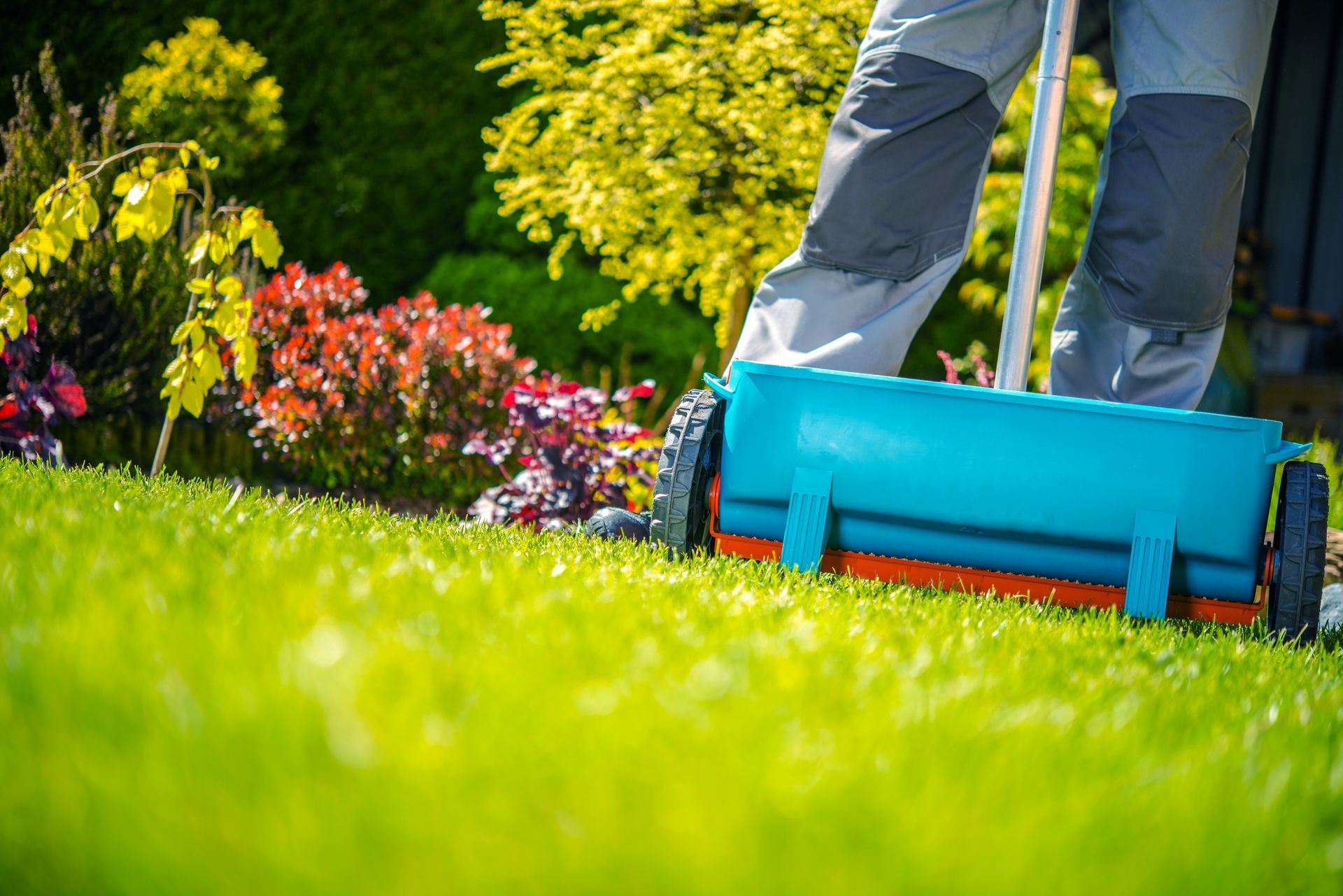
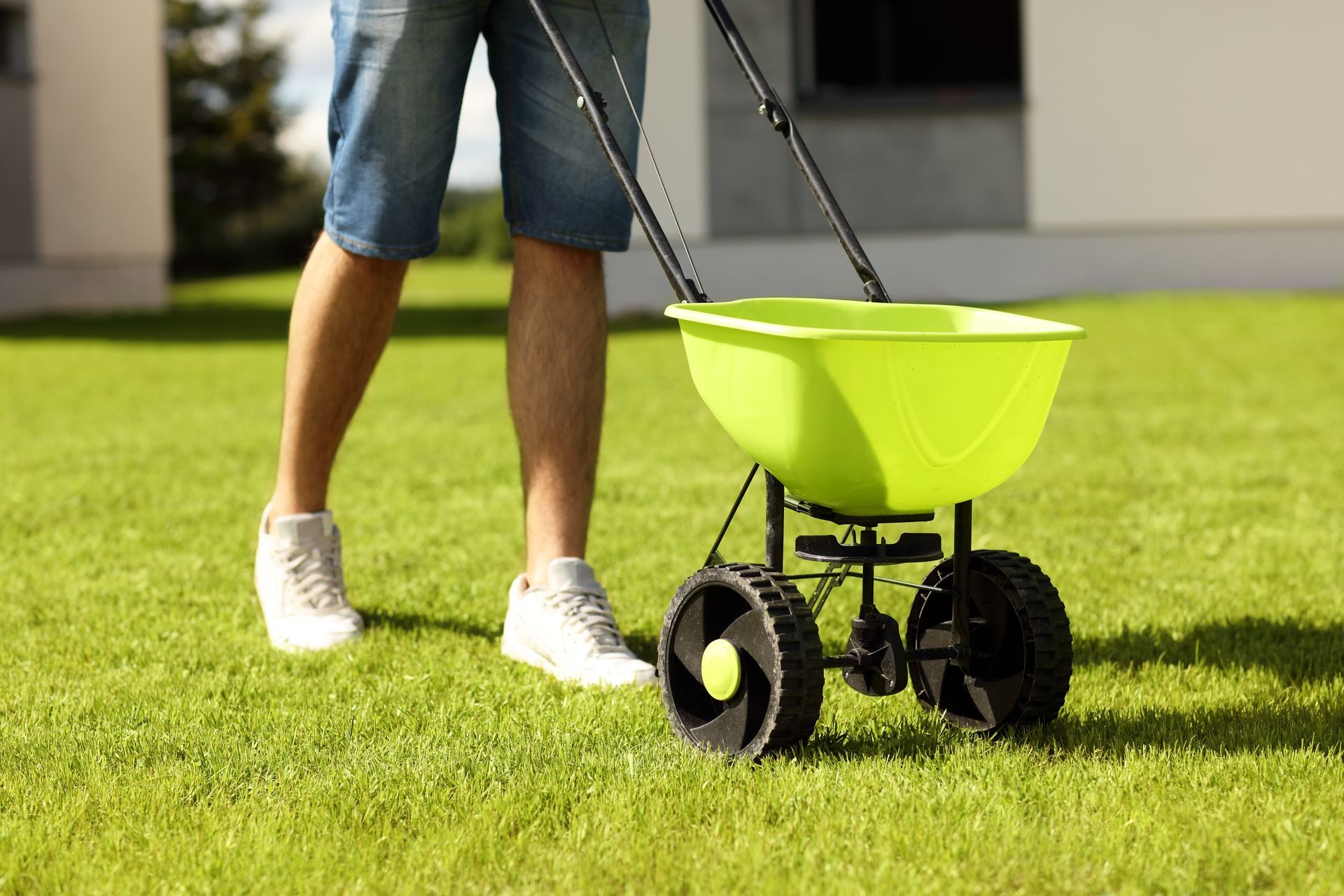
Lawns improve when treatments are applied on a steady schedule that supports root development, nutrient uptake, and weed prevention. Skipping seasons or stopping programs early often erases progress that took months to build.
This is especially noticeable in areas like Willard, Rogersville, and Battlefield, where soil conditions vary significantly from property to property and require consistent adjustment.
The compounding effect of soil health
Soil health is the foundation of long-term lawn improvement. When soil structure, nutrient balance, and root depth improve, turf becomes more resilient each season.
Healthy soil allows grass to crowd out weeds naturally, tolerate heat and drought better, and recover faster from stress. These benefits build gradually, which is why year-over-year improvement is possible when care is consistent.
Lawns that rely only on surface-level treatments never experience this compounding effect, which is why they tend to look the same each season.
Why timing determines results
Timing is one of the most overlooked factors in residential lawn care. Treatments applied too early or too late often fail to produce lasting results, even when the right products are used.
Successful lawn programs align treatments with growth cycles, weather patterns, and seasonal stress. This prevents weeds from establishing and supports steady turf development rather than forcing recovery after damage occurs.
Homeowners across the surrounding communities often see better results once timing becomes a priority instead of reacting to visible problems.
The difference between maintaining and improving a lawn
Maintaining a lawn focuses on keeping problems from getting worse. Improving a lawn focuses on making problems less likely to occur in the first place.
Long-term improvement requires a strategy that supports soil health, consistent scheduling, and proactive weed control. These are the same principles used to keep high-expectation properties healthy, applied at the residential level.
Homeowners who commit to improvement rather than short-term fixes typically see fewer issues each season and more dependable results over time.